City Guide
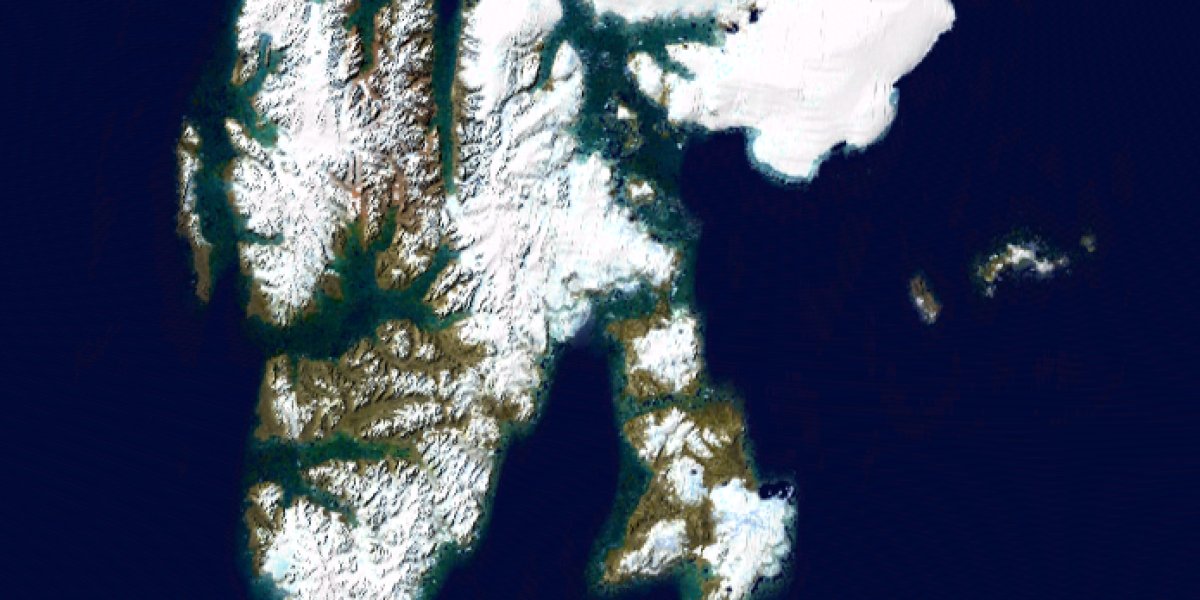
Svalbard (Longyearbyen)
Noruega · Best time to visit: Mar-May, Jun-Aug.
Day-by-day plan
Choose your pace
Duración del viaje
09:00
Landmark
From the town center, head west along the airport road and then up the gravel access track — about 45 minutes, mostly uphill, with Adventfjorden widening behind you at every switchback. The angled concrete wedge juts out of the mountainside like a fallen meteor fragment, and the low morning sun catches the steel mesh on the entrance, throwing sharp blue shadows across the permafrost. You cannot enter — no tourist ever has — but standing here, knowing 1.2 million seed varieties sleep behind that door at minus 18°C, is the entire reason for being at 78° North.
Tip: Walk the access road rather than taking a taxi — the fjord view unfurls as you climb and the vault feels earned, not delivered. The cleanest photo angle is 50 m down the road on the right side, where the concrete prism aligns with Plataberget rising behind it. Do not step past the metal posts toward the door (motion sensors plus a 5,000 NOK fine), and bring layers — the wind funnels straight off the icecap here even in July.
Open in Google Maps →11:30
Religious
Descend the gravel road back toward town — the runway slides past on your left and the whole valley spreads out as you drop in elevation, a 30-minute downhill stretch with views straight to the fjord. The little red wooden A-frame perches on a knoll above the settlement; locals call it Svalbard Kirke and the front door is unlocked 24 hours a day, every day of the year. Step inside for ten minutes — there is a polar bear skin laid on the floor, votive candles burning, and almost always a thermos of fresh coffee.
Tip: Coffee, waffles, and biscuits inside are free, stocked by the parish — drop 30-50 NOK in the wooden donation box on your way out. Take off your shoes at the entrance: it is a Svalbard rule in every building including hotels, a leftover from the coal-dust years, and locals will judge you silently if you forget. The photo locals actually love is taken from the church steps looking down over the whole valley, not the building itself.
Open in Google Maps →12:30
Food
Walk five minutes downhill into the town center — the squat orange Lompensenteret is the only commercial building of any size you will see, and it holds the post office, the supermarket, and Fruene. Run by three women since 2003, Fruene is the world's northernmost café, and the glass counter is stocked with hand-rolled chocolates shaped like polar bears, seals, and reindeer. Order the reindeer stew with lingonberries, then grab a still-warm kanelbolle for the trail afterward.
Tip: Reindeer stew (220 NOK / €19) and the warm goat-cheese baguette (165 NOK / €14) are the two picks; the kanelbolle (55 NOK / €5) is the best cinnamon bun north of the Arctic Circle. Sit at the long window bench facing the fjord, not in the indoor corridor seats. Buy one bar of their handmade Svalbard chocolate to take home — it is the only edible souvenir customs won't confiscate, and the polar-bear-shaped bar fits in a coat pocket without melting.
Open in Google Maps →14:00
Landmark
Walk south up the valley road through Nybyen — the pastel wooden barracks were miners' housing in the 1940s and are now student dorms and guesthouses, about 25 minutes from Fruene. From the end of the road, a steep gravel trail climbs the scree toward Mine 2b, the abandoned 1930s coal works whose matchstick wooden frame still clings to the hillside like a stranded ship. The saddle below the mine opens out over the whole town, the cableway towers, and Hiorthfjellet across the fjord — the postcard angle of Longyearbyen that every photographer comes here for.
Tip: Do not approach the mine entrance itself — the timber is rotten, the floor inside collapsed years ago, and Sysselmannen will fine anyone caught past the warning ropes. The best photo is from the saddle about 100 m below the mine, looking back over Nybyen's rainbow rooftops with the fjord and the cableway towers in frame. Stay strictly inside the orange-and-white striped poles: those are the polar-bear safety boundary, not a suggestion.
Open in Google Maps →17:00
Landmark
Descend from Nybyen straight east through town to the waterfront — about 20 minutes, passing the weathered wooden Taubanesentralen, the old aerial-cableway central station that once funneled every ton of Longyearbyen's coal down from the mountains. Follow the shoreline gravel path east, with the fjord on your left and the runway on your right, until you reach it: the yellow triangular sign — Gjelder hele Svalbard, silhouetted polar bear, applies to the whole archipelago. This is the literal edge of the safe zone; beyond this post, a rifle is mandatory under Norwegian law, and the photograph framed here with Hiorthfjellet rising across the water is the one your friends back home will recognize.
Tip: Stand on the town side of the sign for the photo — the iconic frame is the yellow triangle in the foreground with the empty Adventdalen valley stretching away behind it. Bring a 24-50mm lens, not a wide angle, so the bear pictogram reads clearly. Do not, under any circumstances, step past the sign for a 'better angle' — every two or three years someone is mauled within sight of this exact spot, and the locals will tell you the bear was on the beach an hour before you arrived.
Open in Google Maps →19:30
Food
Walk west through town for about 25 minutes — past Lompensenteret, over the small bridge by the cemetery with its rows of identical white crosses (no new burials since 1950, the permafrost won't let bodies decompose), then up the slope toward Old Longyearbyen. Huset stands alone at the head of the valley, a stout wooden building that opened as the town cinema in 1951 and now houses one of the most respected wine cellars in the Nordics — roughly 17,000 bottles, with Champagnes going back to 1928. Order the four-course Arctic menu — Arctic char, slow-cooked reindeer fillet with juniper, cloudberry parfait — and let the sommelier pair from the cellar.
Tip: Reserve at least three days ahead — Huset takes maybe 30 covers a night and locals book it for anniversaries. Ask the sommelier to walk you through the cellar before dinner; nobody refuses, and the room of bottles entombed inside a former coal-mine corridor is the most surreal wine cellar you will ever see. TOURIST TRAP WARNING — ignore any 'polar bear safari' day-trip pitched by a hotel concierge or a booth near the dock; the only legitimate bear sightings happen by boat in summer with Hurtigruten Svalbard, Better Moments, or PolarCharter, and any 'guaranteed bear spotting' tour under 2,500 NOK is a scam. Also do not tip — tipping is built into Norwegian wages and adding more reads as condescending, not generous.
Open in Google Maps →Saltar al día
10:00
Museum
From the town centre, follow Vei 500 east for 8 minutes past the apartment blocks until Forskningsparken's silver-clad research wing rises against Platåberget. Inside is the single best 90-minute introduction to Svalbard you will find anywhere — sealing ships, coal-seam dioramas, climate ice cores, and a full-mounted polar bear with the ice still glittering on its fur. Opening exactly at 10:00 means the cruise groups (landing at 11:00) haven't reached you yet.
Tip: Arrive at 10:00 sharp — you get one calm hour before cruise groups arrive. Don't leave through the gift shop without first seeing the small back-left room with the climate-research diorama and ice cores; most visitors miss it entirely.
Open in Google Maps →12:00
Food
Walk back west along the main road for 10 minutes to Lompensenteret; the cafe is upstairs in the warm wood-panelled corner overlooking the square. Officially the world's northernmost cafe, Fruene is where locals actually meet on dark afternoons — not a gimmick stop. The handmade chocolate counter behind the till is the only edible souvenir worth flying home with.
Tip: Order the reindeer chili (NOK 195) — locals come for it specifically; skip the salmon bagel which is imported farmed. Grab a bar of the cardamom-and-juniper dark chocolate from the counter on your way out.
Open in Google Maps →13:30
Museum
Exit Lompensenteret onto Vei 230 and head 6 minutes downhill past the post office to the unmarked red shed across from Mary-Ann's Polarrigg. This privately-run museum tells the dirigible and airship expeditions of Nobile and Amundsen through rare film footage, original instruments, and a touchable replica cabin of the doomed airship Italia. Early afternoon avoids the 14:00 lull when buses dump arrivals.
Tip: Walk straight to the rear room with the full-scale Italia airship cabin — no glass, no rope, you can sit at the controls. The gift shop sells reprints of Amundsen's last logbook pages you cannot find anywhere south of Tromsø.
Open in Google Maps →15:30
Religious
From the museum, walk 8 minutes south up Vei 224 — the dark wooden spire of Svalbard Kirke breaks the skyline before the path does. Open 24 hours, the world's northernmost protestant church functions as Longyearbyen's living room: free coffee and waffles in the back kitchen, a guestbook every Arctic traveller signs, and an altar window that frames the Hiorthfjellet glacier when the curtains are drawn back. Late afternoon light angles through the western windows directly onto the pine pews.
Tip: Help yourself to coffee and waffles at the back kitchen — leave a few kroner in the wooden box. Sign the guestbook in the porch and sit in the back-left pew for the photograph where the altar window frames Hiorthfjellet.
Open in Google Maps →16:30
Neighborhood
Descend from the church via the wooden staircase, then cut through Hilmar Rekstens vei past the row of mustard, ochre, and blue stilted houses every Svalbard postcard depicts. Walk down to the shore of Adventfjorden and follow the gravel path westward past the slumped foundations of old Mine 2b. The wind off the fjord carries the smell of coal-dust and salt — the most authentic 90 minutes you will spend in town.
Tip: Colour saturation peaks 15:30–17:00 in March–May; in midsummer come at midnight when the sun grazes the fjord horizontally. The third house from the left on Hilmar Rekstens vei — red, with a bicycle leaning on the porch — is the postcard frame.
Open in Google Maps →19:30
Food
From the waterfront, walk 8 minutes up the gravel track toward old Mine 2b — Gruvelageret is the long timber building with a single brass lantern by the door. Built in 1948 as a coal-storage barn, it is now Svalbard's most atmospheric restaurant: candlelight only, reindeer skins on every chair, a menu pairing Arctic meat with sub-Arctic berries. Allow the full 2.5 hours — meals here are not rushed.
Tip: Reserve 48 hours ahead — only twelve tables. Order the reindeer fillet (NOK 545) with crowberry sauce, not the halibut. PITFALL: ignore any restaurant along Vei 500 advertising 'Arctic char buffet' — the fish is frozen and flown in, marked up triple to cruise prices. The only three restaurants in town serving genuine local meat (reindeer, ptarmigan, seal) are Gruvelageret, Huset, and Kroa — anywhere else is theatre.
Open in Google Maps →09:00
Entertainment
Pickup is at your hotel lobby at 08:45; the minibus winds 25 minutes east along Adventdalen valley, an icy river meandering beside you, until 200 huskies erupt in a howl that reaches you before you see the kennel. You will harness six dogs yourself, drive your own sled solo from kilometre one, and run a 25 km loop across the frozen plateau toward the Scott Turner glacier. The cold drains energy faster than the distance — scheduling it on the morning of Day 2 puts your sharpest hours against the hardest activity.
Tip: Book Green Dog Svalbard, not Trapper's — Green Dog gives you a solo sled from kilometre one rather than riding passenger. The thermal liner they provide is not enough alone; wear merino base + wool mid-layer underneath. Pee at the kennel before departure — there is nowhere to stop on the trail at -25°C.
Open in Google Maps →13:30
Food
The kennel van drops you back at the town centre around 13:00; walk 2 minutes east along Vei 230 to Kroa, the timber pub built from reclaimed mining barracks. This is where the geologists, snowmobile guides, and miners come on Friday nights — wooden booths, a Lenin bust nailed above the bar, antlers covering every beam. Hungry-from-the-cold portions, twenty minutes to plate.
Tip: Order the reindeer burger (NOK 315) with a Mack beer — the only Arctic-Circle-brewed beer on the island. The whale carpaccio (NOK 195) is genuinely fresh and worth ordering if you are curious; skip the fish soup, which is reheated.
Open in Google Maps →15:00
Landmark
Take a 7-minute taxi (book ahead — Svalbard has only twelve cabs) west past the airport and up onto Plataberget; the angular concrete portal juts from the mountainside at 130m above sea level. You cannot enter — only three keys exist in the world, and the vault holds 1.2 million seed samples in permafrost — but the Dyveke Sanne art piece 'Perpetual Repercussion' glows from the entrance with mirrored steel and prismatic glass 24/7. Mid-afternoon light strikes the concrete face directly from the south.
Tip: Have the taxi wait or pre-book the return — you cannot walk back without crossing the active airport runway. Photography from the road is permitted; stepping onto the concrete platform is not. The art piece glows strongest as ambient light drops; an hour later is too dim.
Open in Google Maps →16:00
Landmark
Have the taxi drop you at the old aerial-cableway junction at the foot of Plataberget on the return; this towering wooden structure on stilts is where eight coal-mine cables converged before delivering their loads to the dock. Built 1957, abandoned 1987, now an unsignposted industrial monument you can walk under, between, and around. The cross-bracing pattern photographed from directly below with Hiorthfjellet rising behind is the single most reproduced image of Svalbard.
Tip: Stand directly underneath the central junction tower — the cross-bracing geometry with the mountain behind is the iconic frame. Snow accumulates around the supports through March; the contrast against the dark creosote-stained wood is sharpest then.
Open in Google Maps →16:45
Museum
From the cable-car junction, walk 6 minutes south up Vei 304 past the old administration buildings; the gallery is the long brown building with a polar-bear weather vane on the roof. The permanent Kåre Tveter collection — luminous watercolours of Svalbard light, painted by Norway's most beloved Arctic artist before his death in 2002 — is the soul of the building. Sit through the panoramic film in the back room; it is the closest you will come to seeing polar-night light without staying through winter.
Tip: The Kåre Tveter watercolour room on the right is the entire reason to come — luminous purples and blues unlike any other Arctic painter. Behind a small unmarked door at the back, a panoramic Svalbard-light film runs in two 20-minute loops; sit through both — the polar-night reel is the second.
Open in Google Maps →19:30
Food
From the gallery, walk 4 minutes further uphill — Huset is the green wooden building that began as the miners' community hall in 1951. Huset is the dining experience Svalbard is famous for: a seven-course tasting menu of Arctic terroir, paired from the largest wine cellar in northern Norway. The sommelier will walk you down to the cellar between courses if you ask — five floors underground, 20,000 bottles, the warmest you will feel all day.
Tip: Reserve the 7-course tasting menu (NOK 1850) at least two weeks ahead. Ask the sommelier to take you down to the wine cellar before dessert — free if you ask, theatrical if you don't. PITFALL: at Coop Svalbard SVL supermarket, the 'polar bear paw' chocolates (NOK 250) are stickered Norwegian chocolate sold at fivefold mark-up — the only authentic handmade sweet on Svalbard is from Fruene's counter. Also: any 'mammoth ivory' polar bear figurine sold in town is plastic, no exceptions.
Open in Google Maps →Saltar al día
09:00
Religious
Walk uphill from the town center for 10 minutes — the small wooden church appears alone on a slope, framed by Hiorthfjellet's snowy face across the fjord. As the world's northernmost church, it stays unlocked 24/7 with free coffee on the table inside, and tradition demands you remove your shoes at the door before entering.
Tip: The terrace beside the church gives the best panoramic photo of Longyearbyen — the colored row houses lined up against Hiorthfjellet. Arrive before 10:00 to have it to yourself; cruise groups roll up after the museum closes mid-afternoon.
Open in Google Maps →10:00
Museum
From the church, walk 8 minutes downhill past the polar bear warning sign at the edge of town — the museum sits inside UNIS, the world's northernmost university campus. Arrive right at the 10:00 opening to have the exhibitions to yourself before the cruise-ship groups roll in at 11:00; two and a half hours covers Arctic wildlife dioramas, trapper-era artifacts, and the coal-mining heritage that built this town.
Tip: Don't skip the polar bear specimen in the back room — it's the largest ever shot in self-defense on Svalbard, and the panel beside it tells the story in chilling detail. Bring NOK cash for the small bookshop at the exit; their Norwegian Polar Institute geological maps aren't sold anywhere else in town.
Open in Google Maps →13:00
Food
Cross the wooden walkway from UNIS to Lompensenteret — 5 minutes. Fruene is the world's northernmost café, the first female-run business in Svalbard's history, and the place every local stops at least once a week. Order the reindeer stew (NOK 230) with sour cream and lingonberry, and end with a hand-rolled Fruene chocolate (NOK 35) — they roast the cocoa nibs themselves.
Tip: Arrive before 13:00 to grab the window seat overlooking the fjord; after 13:15 there's always a queue. The Skillingsbolle cinnamon bun is palm-sized and sells out by 14:00 — order one to take away even if you're full, and you'll thank yourself at the trailhead later.
Open in Google Maps →14:30
Landmark
From Lompensenteret, follow the river path south for 15 minutes, cross the wooden footbridge, then climb the gravel switchback for another 20 minutes — Svalbard reindeer often watch you pass from the slope above. The skeletal cable car towers stretching across the valley are Svalbard's most photographed silhouette, and you can walk right up to the central station, something most guidebooks miss. Afternoon is the right time: the sun climbs high enough to light the wooden trestles against the dark scree behind them.
Tip: Bring binoculars — reindeer often graze the valley floor in plain view from the upper platform. Stay on marked paths; the Mine 2b entrances above are unstable and roped off for a reason, and the slope past the rope is loose enough to twist an ankle in seconds.
Open in Google Maps →19:00
Food
Walk 12 minutes south from the center along Vei 300 — Huset stands alone above the airport road in a converted 1950s mining hall, its yellow facade lit like a beacon against the slope. Huset holds the largest wine cellar north of the Arctic Circle (over 20,000 bottles) and builds its menu entirely around Arctic ingredients. Order the slow-braised reindeer with juniper and the king crab from the Barents Sea (mains NOK 380-450); the three-course menu lands around €85.
Tip: Reserve by email at least 3 days ahead — Huset only seats 40, and walk-ins are turned away on the busiest nights. Skip the full tasting menu if you're tired from the hike; the à la carte reindeer alone is the reason to come. Watch out: a few 'pub crawl' operators end their tours at Huset's downstairs bar and try to charge a cover at the door — there is no cover at Huset, ever, walk straight in.
Open in Google Maps →08:30
Landmark
Walk 10 minutes downhill from your hotel to the inner harbor — the Polar Girl departs from the wooden pier promptly at 08:30, and they will not wait. The 3.5-hour crossing of Isfjorden, Svalbard's largest fjord, takes you past kittiwake cliffs at Cape Heer and beluga grounds off Coles Bay. Sit on the starboard (right) side going out — that's the side facing Nordenskiöldbreen glacier on the return leg later in the day.
Tip: Wear three layers even in July: the boat deck drops below 5°C with wind chill, and the inside cabin loses the view. Buy Norwegian motion-sickness pills (Postafen, no prescription needed) at the airport pharmacy on arrival day — the open water past Cape Heer can pitch hard, and they sell out at the harbor kiosk by 08:00.
Open in Google Maps →13:00
Landmark
Step off the boat onto the Pyramiden pier — a uniformed Russian guide leads the mandatory 2-hour walking tour through the abandoned Soviet mining town. Frozen since 1998 and preserved by the permafrost, everything remains as it was left: the world's northernmost Lenin statue, the empty Soviet swimming pool tiles cracked but in place, the children's drawings still pinned to the school's wooden walls. No other site in Svalbard feels this much like walking onto a film set.
Tip: Stay within arm's reach of the guide — polar bears wander into Pyramiden several times a summer and unguided exploration is strictly forbidden. Photograph the Lenin statue from the east side at midday for the strongest light on its bronze face; the west side stays in shadow until late afternoon when you'll already be back on the boat.
Open in Google Maps →15:00
Food
Cross the gravel road from the Lenin statue to Hotel Tulipan — 4 minutes. The hotel's restaurant, restored in original Soviet pastel green and gold, serves the lunch included with your boat ticket: beetroot borscht, pelmeni dumplings with sour cream, and a shot of Pyramiden's own glacial-water vodka. The wallpaper, the wooden chairs, the brass samovar at the bar — nothing has been changed since 1991.
Tip: Order an extra shot of Pyramiden vodka (NOK 80) and hand your passport to the bartender — they will stamp it with the Pyramiden seal for free if you buy a drink, and this is the only place on earth that uses this stamp.
Open in Google Maps →16:30
Landmark
Board the Polar Girl again at 16:00; within 30 minutes you're approaching the 25-km-wide blue face of Nordenskiöldbreen, Svalbard's most accessible tidewater glacier. The captain idles 200 meters from the ice wall — listen for the crack and rumble of calving, and watch the ringed seals hauled out on bergy bits. The light is at its sharpest now: late-afternoon sun strikes the ice from the southwest and turns the crevasses electric blue.
Tip: Move to the bow at 16:45 for the best calving view; most passengers stay in the warm cabin and miss the moment. Tether your camera lens cap to your wrist — the wind off the ice will rip a loose one straight into the fjord, and you will not get it back.
Open in Google Maps →19:30
Food
Back at the harbor by 19:00, walk 12 minutes south through the residential lanes to Gruvelageret — the restaurant occupies the old miners' powder magazine, the original timber walls still smelling faintly of coal. Order the seal in red wine reduction (NOK 320) and the Arctic char cured with juniper (NOK 280); the menu changes weekly with what local hunters bring in, and mains run €25-35.
Tip: Ask for the corner table by the original 1916 mining ledger — the staff will let you turn the pages of the actual coal-shift records. Avoid the 'Arctic platter' marketed to cruise passengers at the harbor-front cafés on your walk back — they serve frozen mainland-farmed reindeer; Gruvelageret is one of the only kitchens in town using actually-hunted Svalbard reindeer.
Open in Google Maps →09:30
Landmark
Take a 10-minute shuttle taxi from your hotel up Platåfjellveien — walking unaccompanied beyond the town limit is unsafe due to polar bears, and the road climbs steeply anyway. You can't enter the vault — its three sealed chambers, refrigerated by permafrost, hold 1.3 million seed samples from every country on earth. But the angular concrete entrance jutting from the mountainside, crowned by Dyveke Sanne's steel-and-mirror sculpture that refracts the polar sun into a slow prism, is one of the most striking architectural sights in the Arctic.
Tip: Visit between 10:00 and 11:00 when the eastern sun ignites the prism — by noon the angle flattens and it loses the fire. Do not walk closer than 100 meters to the gate; it is camera-monitored 24/7 and the trespass fine is NOK 5000, enforced even on tourists who plead ignorance.
Open in Google Maps →11:00
Entertainment
Your taxi continues 25 minutes east into Bolterdalen valley — the road skirts Adventelva river, and your driver will slow for the Svalbard reindeer that graze the tundra here. Green Dog runs Svalbard's largest kennel: 250 Alaskan and Greenland huskies, the same dogs that pull sleds in winter and wheeled carts the rest of the year. You'll harness your own team, drive a 1-hour wheeled-sled loop across the tundra, and meet the season's puppies in the back pen.
Tip: Ask the musher specifically to take you to the puppy pen behind the main hut — most tourists don't realize visitors are welcome there and miss the highlight of the visit. Wear a base layer you don't mind throwing out; the company coveralls only cover so much and your hair will smell of dog until you fly home.
Open in Google Maps →14:00
Food
Back in town, walk 5 minutes south of the main pedestrian street — Polarrigg is the blood-red wooden barracks set apart from the modern buildings, impossible to miss. The dining room is the most atmospheric in Svalbard: taxidermy seals, polar bear pelts, century-old explorers' boots nailed to the rafters above your table. Order the seal lasagna (NOK 295), the unrivaled signature, and add the whale carpaccio (NOK 210) — shockingly tender, paper-thin slices over juniper oil.
Tip: The Svalbard tapas plate for two (NOK 480) gives you whale, reindeer, and Arctic char in one — better value than three separate mains and the only way to taste all three in a single lunch. Skip the burger; it's the only dish on the menu using non-Arctic beef and the regulars all know to avoid it.
Open in Google Maps →15:45
Shopping
Walk 4 minutes from Polarrigg back to the pedestrian street — your final 30 minutes of unstructured time before the evening. Browse Skinnboden for Arctic fur mittens and Norwegian wool, pick up a bar of Fruene chocolate hand-rolled with glacial meltwater, and step outside to photograph the Coca-Cola red Polar Hotel sign that has become Longyearbyen's unofficial 'end of the world' landmark. The afternoon light here is flat and even — perfect for the iconic shot.
Tip: Buy a polar bear road sign sticker (NOK 60) instead of a t-shirt — small, light, and unmistakably Svalbard once you stick it on a laptop. The souvenir shop directly opposite the church marks identical items up 40%; do all your buying inside Lompensenteret or at Skinnboden, never along the church road.
Open in Google Maps →19:30
Food
Walk 8 minutes uphill from the center along Vei 300 — Funken Lodge sits on the hillside above the river, cedar-clad with warm lamp-lit windows visible from across the valley. Chef Espen Bjørgve's tasting menu is the most refined dining in Svalbard, every course built on Arctic ingredients: Arctic char with sea buckthorn, smoked reindeer heart with cloudberry, ptarmigan roasted in juniper. Five courses NOK 1190 (~€102), wine pairing NOK 850.
Tip: Reserve a window table facing Adventfjorden when you book — at 23:00 in summer the midnight sun still glows across the water, and the corner two-top has the best angle. Watch out for the late-night taxi shortage: book your return ride before sitting down, because cabs vanish after 22:00, and you do not want to walk back along the airport road in polar dusk — that stretch sees polar bear sightings every summer, and the 'tourist trap' that bears no warning sign is the assumption that town is safe in every direction after dinner.
Open in Google Maps →
Trip builder
Plan this trip around Svalbard (Longyearbyen)
Turn this guide into a bookable rail itinerary with FlipEarth.
Keep exploring
Related cities
More in the same country
FAQ
Frequently asked questions
How many days do you need in Svalbard (Longyearbyen)?
Most travelers enjoy Svalbard (Longyearbyen) in 1 days, with enough time for headline sights and a slower meal or museum stop.
What's the best time to visit Svalbard (Longyearbyen)?
The easiest season for most travelers is Mar-May, Jun-Aug, especially if you want good weather and manageable crowds.
What's the daily budget for Svalbard (Longyearbyen)?
A practical starting point is about €150 per person per day before hotels, then adjust based on museums, dining, and transport.
What are the must-see attractions in Svalbard (Longyearbyen)?
A good first shortlist for Svalbard (Longyearbyen) includes Svalbard Global Seed Vault, Mine 2b Viewpoint via Nybyen, Adventfjorden Waterfront & Polar Bear Boundary Sign.