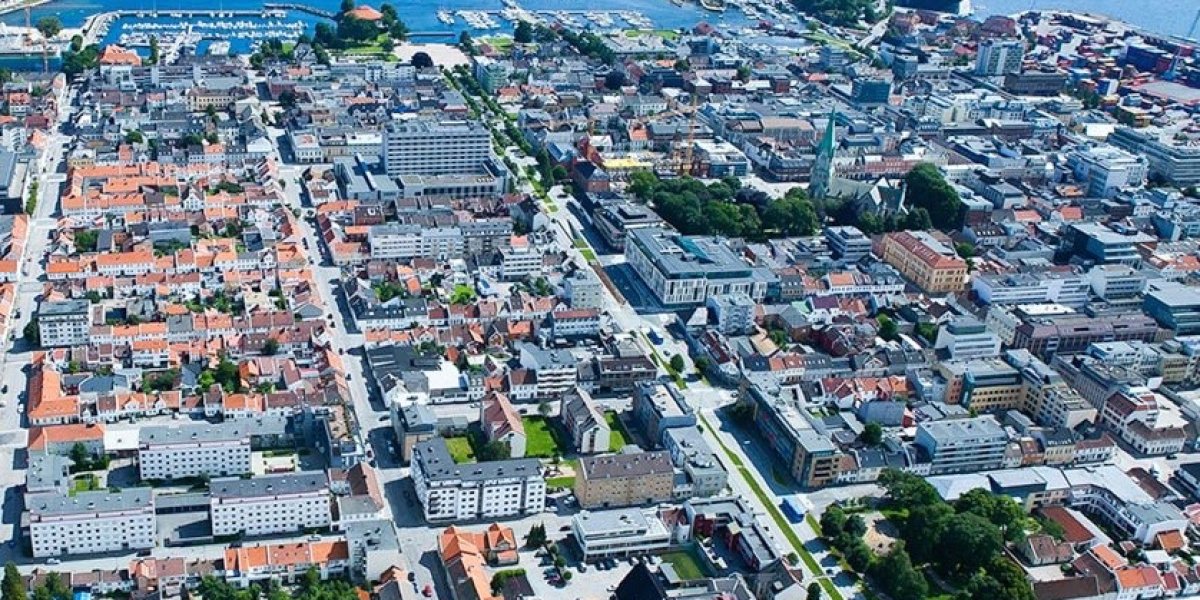
City Guide
Kristiansand
Noruega · Best time to visit: Jun-Aug.
Day-by-day plan
Choose your pace
Duración del viaje
09:00
Neighborhood
Begin in Norway's largest preserved wooden quarter — roughly 270 small white timber houses laid out on King Christian IV's 1641 grid, miraculously spared by the fires that flattened the rest of Kristiansand in 1734, 1859 and 1892. Wander Kronprinsens gate and Tordenskjolds gate before the cruise ships dock at 10:30 and entire lanes are yours: lace curtains, flower boxes, brass door knockers, the soft creak of 200-year-old planks underfoot. At 9 AM the cobbles are empty and every doorframe glows in the low east-to-west sun.
Tip: Enter from the Tordenskjolds gate end (north) and walk south — the rising sun rakes the whitewashed planks until about 10:00, lighting facades like a film set. The corner of Kronprinsens gate and Skippergata has the most photographed yellow door in the quarter; shoot it before 9:30 to keep tourists out of frame.
Open in Google Maps →10:45
Landmark
Walk south down Kronprinsens gate for 7 minutes — the wooden houses end abruptly and the neo-Gothic brick spires of Kristiansand Domkirke rise ahead, the fourth cathedral on this plot since 1645 (fire took the first three; this one was consecrated in 1885). Skip the plain Lutheran interior; circle the exterior for the rose window, then turn left onto Markens gate, the city's pedestrian artery. Grab a soft-serve cone (45 NOK) at the Hennig-Olsen ice-cream counter halfway down — the brand was born in Kristiansand in 1924 and every Norwegian knows the taste.
Tip: Photograph the cathedral from the corner of Kirkegata and Festningsgata at 11:00 — the southeast angle catches the rose window glinting and frames both spires symmetrically. Saturdays Markens gate fills with a flower market between Tollbodgata and Rådhusgata; weave through there rather than the main strip for the local crowd.
Open in Google Maps →12:30
Food
Continue down Markens gate and turn left onto Festningsgata — the small yellow wooden kiosk on the corner is Trekroneren, a Kristiansand institution since 1946 that locals defend like a national monument. Order the lompe-pølse (smoked sausage rolled in soft potato flatbread with mustard, fried onions and shrimp salad, ~80 NOK / €7) and eat it standing on the curb like everyone else. This is the most Norwegian thirty minutes you can spend in this city.
Tip: Use the takeaway side window on Gyldenløves gate, not the main door — it moves twice as fast for the same sausage. Ask for it 'med alt' (with everything) like a local; ketchup-only marks you as a tourist. Pair it with a cold Solo (orange soda, ~35 NOK), Norway's summer drink since 1934.
Open in Google Maps →14:00
Landmark
Walk 5 minutes east along Festningsgata to the water — the squat round stone fortress on its own islet is Christiansholm, finished in 1672 to defend the harbor with 5-meter-thick walls that were never tested in anger. The interior occasionally hosts concerts and may be locked, but the rampart walk circling the tower is always free and open. From the seaward side you see Odderøya's cliffs to the south, Bystranda beach to the east and the open Skagerrak ahead — the exact field of fire 17th-century gunners had to defend.
Tip: Climb the grass embankment on the seaward side rather than the paved entrance ramp — from there your photo back toward the city captures the fortress wall in the foreground and the cathedral spires in the distance, both in one frame. Afternoon light (14:00–16:00) strikes the stone tower from the south at the perfect angle; come at noon and the front is in shadow.
Open in Google Maps →16:00
Park
Walk 4 minutes east along the seafront promenade and Bystranda unfolds — a 200-meter crescent of fine pale sand right in the middle of the city, the sort of beach Mediterranean towns would build a casino on. In July the Skagerrak current pushes the water to 19–20°C, warm by Norwegian standards. You don't have to swim; locals come between 16:00 and 18:00 for the long golden hour, when the cliffs of Odderøya across the channel turn copper-pink and the wooden bathing pier glows.
Tip: Walk to the eastern wooden bathing pier — leaping off it is a Kristiansand summer rite of passage and an unbeatable photo. The lifeguard tower stops at 18:00 but the beach stays open under the late northern light. In June the sun sets after 22:30, so you have time to linger before dinner.
Open in Google Maps →19:00
Food
Walk west along the Strandpromenaden for 12 minutes, looping past Christiansholm again and around the inner harbor — Fiskebrygga, the row of red and ochre wooden warehouses on stilts, appears across the water. Sjøhuset occupies the largest of them: an 1892 salt warehouse with original ship-rib beams overhead and tables hard against the harbor windows. Order the dagens fisk (catch of the day, ~395 NOK / €34) from boats moored 30 meters away, or the steamed mussels in white wine and garlic (~285 NOK / €25). End with multekrem — whipped cream folded with cloudberries, the dessert every Norwegian grandmother makes.
Tip: Reserve a window seat on the harbor side at least 2 days ahead via sjohuset.no — only about 8 tables face the water and they go by 18:00. Pitfall warning: the floating restaurants on the Fiskebrygga pontoon itself (the ones with English-only menus and queue managers waving you in) are tourist traps serving marked-up frozen seafood at double the price — Sjøhuset, set back on the original warehouse row, is where Kristiansanders actually eat.
Open in Google Maps →Saltar al día
09:00
Neighborhood
Begin at the corner of Kirkegata and Kronprinsens gate, the northwest edge of King Christian IV's 1641 grid. Posebyen is the only quarter that survived the great fire of 1892 — sun-bleached 18th-century wooden houses lean over cobbled lanes, geraniums spilling from every windowsill. Wander Tordenskjoldsgate and Skippergata in any order; locals still live behind these doors, hanging laundry between the eaves.
Tip: Arrive before 10:30 to catch residents sweeping stoops and the baker at Mestebakeren on Tordenskjoldsgate pulling fresh skillingsboller from the oven (45 NOK). The corner of Festningsgata and Vestre Strandgate catches golden side-light at 09:30 — the single most-photographed angle in Kristiansand.
Open in Google Maps →11:15
Landmark
Walk south on Vestre Strandgate to the harbor, then east along the Strandpromenaden — 12 minutes of marina masts on your right and the smell of yesterday's fish drifting from the quay. The circular brick fortress at Festningsgata 14 was built in 1672 to guard the harbor mouth and never fired a shot in anger. Climb the grass-topped ramparts for the cleanest unobstructed view of the Skagerrak and the Lille Torungen lighthouse on the horizon.
Tip: Enter through the wooden side gate, not the main path — it opens straight onto the cannon platform and skips the small museum crowd. The southwest cannon emplacement is your photo spot: fortress wall, marina masts, and Odderøya peninsula all in one frame. Grounds are free; the inner exhibition (80 NOK) is skippable.
Open in Google Maps →12:45
Food
Five minutes west along the harbor edge — past the gallery of bobbing sailboats — to the red-and-yellow stilted warehouses of Fiskebrygga, Kristiansand's fish quay since 1989. Pieder Ro sits on the wooden dock with terrace tables suspended over the water. Order the reker på brød (350 NOK) — pink hand-peeled shrimp piled on white bread with mayonnaise, lemon and dill — or the thick fish soup (220 NOK) packed with cod, salmon and shrimp from this morning's catch.
Tip: Arrive at exactly 12:45 to land a dock-edge terrace seat without queueing — they fill by 13:00 and the outdoor tables aren't reservable. Ask for the dagens fangst (today's catch) over the printed menu; it is always the freshest plate. Keep your shrimp on the inland side of the table — Fiskebrygga's gulls dive without warning.
Open in Google Maps →14:30
Religious
Walk north on Skippergata, then west on Kirkegata — eight minutes back through the heart of Quadraturen, the spire visible the whole way. Built in 1885 after the great fire, Kristiansand Domkirken is Norway's fifth-largest church, seating 1,800 under soaring blue-and-gold vaulted ceilings. The Eilert Sundt stained glass over the altar glows brightest in early afternoon light.
Tip: Climb the organ balcony if it is open (signage changes weekly) for the only view of the full nave from above. Free organ recitals run most Wednesdays at 12:00 in summer — check the bulletin board in the south transept on the way in. The northwest pew lines up both the rose window and the altar in a single frame.
Open in Google Maps →15:45
Park
Walk south down Markens gate, Kristiansand's pedestrian shopping spine — eight minutes past cafés, bookshops, and Norway's oldest ice cream parlor (Hennig-Olsen, est. 1924). At the foot of Markens, Otterdalsparken opens onto a stone amphitheater built into a small hillside where local sculptor Kjell Nupen carved a flowing concrete-and-bronze waterwork in 1997. Sit on the granite steps and watch families wade in the shallow pool — this is where Kristiansand reads on summer afternoons.
Tip: The west-facing steps catch direct golden light around 17:00, landing square on Nupen's central bronze pillar — that is the photograph. Skip the park kiosk ice cream (70 NOK a scoop) and detour three minutes north to Hennig-Olsen at Markens gate 8 for the legendary Solbær (blackcurrant) cone at 40 NOK.
Open in Google Maps →19:30
Food
Walk east along Tollbodgata then south on Østre Strandgate — eight minutes along the waterfront, the lit-up fortress now on your right as the sky turns rose. Sjøhuset occupies a butter-yellow 1892 timber warehouse on the harbor edge, beams blackened by 130 years of cooking smoke. Order the bacalao (380 NOK) — Norwegian salt cod stewed in tomato with olives — or the panfried catch of the day (420 NOK). Ask for a window table.
Tip: Reserve at least three days ahead — upstairs window tables go first and are only seated by reservation. The bacalao recipe is unchanged since 1989; ask the server which cellar wine the chef pairs with it tonight. Pitfall: skip the canal-side pubs on Vestre Strandgate after 22:00 — they cater to bachelor parties, charge 130 NOK per half-pint, and have a reputation for double-charging cards. Walk back through the well-lit Markens gate; the Quadraturen grid is safe and well-policed at all hours.
Open in Google Maps →09:00
Park
Cross the wooden footbridge from Vestre Strandgate at the southern edge of Quadraturen, where the harbor mist still clings to masts in Gravane marina. Odderøya was Norway's largest quarantine station until 1875 and a WWII German garrison; its trails now wind through pine forest, past graffiti-painted bunkers and artist studios, climbing to the white 1832 Odderøya Lighthouse at the southern tip. The 360° view from the top spans the Skagerrak toward Denmark, the open North Sea, and the red-tiled rooftops of the city behind you.
Tip: Take the eastern (red-dot) trail first — it climbs immediately for views with the morning sun behind you, the cleanest light for photographing the lighthouse against open water. The two WWII bunkers along the eastern ridge are unlocked and unlit; bring a phone flashlight. Loop back via the western trail — flatter, and several artist studios open their doors before 11:00 for browsing.
Open in Google Maps →11:15
Museum
Descend the western trail to Odderøyveien and walk three minutes north — the seven-story 1935 grain silo dominates the harbor skyline, now Norway's most ambitious museum opening since 2024. Inside is the Tangen Collection: the world's largest assembly of Nordic modernist art, 5,500 works by Tora Vega Holmström, Otto G. Carlsund, and Asger Jorn. Take the elevator straight to the 7th-floor Sky Bar first for the panorama, then descend through the curved silo galleries floor by floor.
Tip: Book the 11:15 entry online (saves 30 NOK and skips the door queue) — quietest before the cruise-ship crowds arrive at 13:00. Don't miss the cylindrical 'Silo' sound installation in the central core, audible only from the 4th-floor walkway — most visitors walk past it. The Sky Bar serves the best espresso in town (45 NOK); pair it with the view, not the overpriced cake.
Open in Google Maps →13:30
Food
Cross back over the Odderøya bridge and walk ten minutes north up Markens gate — the shopping street will be hitting its second wind, the smell of waffles drifting from the stalls. Måltid sits on Tordenskjolds gate, a corner bistro with raw oak tables and a single daily menu chalked on a slate above the bar. Order the cured trout with sour cream and dill (260 NOK) or the open-faced reindeer carpaccio (290 NOK) — fjord-region ingredients only, sourced within 100 km.
Tip: Walk in by 13:30 to land a window seat — they cap at 35 covers, take no lunch reservations, and stop seating at 14:00 sharp. Ask whoever is at the chalkboard what came in fresh that morning; it is almost never on the printed menu. Skip dessert here — grab a Solbær cone at Hennig-Olsen on the walk to Bystranda.
Open in Google Maps →15:30
Park
Walk east on Henrik Wergelands gate for six minutes, the harbor breeze picking up as you reach Strandpromenaden. Bystranda is 350 meters of imported fine sand right in the city — kayakers paddle by, kids leap from the wooden diving platform, and the Aquarama bath complex rises behind you in glass and steel. In July the water sits at 18-20°C, the warmest sea anywhere in Norway.
Tip: The wooden diving platform at the eastern end is for confident swimmers — there is a quieter shallow stretch at the west end where families gather. Free public changing rooms and showers sit behind the Aquarama building (entrance from the Tangen side). The lifeguard tower closes at 18:00, so swim before then and stay in the shallow section near shore afterwards.
Open in Google Maps →17:15
Shopping
Walk west along Dronningens gate — six minutes back into the heart of Quadraturen, the late afternoon light raking down Markens gate. Norway's longest pedestrian street stretches 850 meters between the cathedral and Otterdalsparken: independent design boutiques, the Hennig-Olsen flagship ice cream parlor, and Husfliden's handmade Norwegian crafts. Slow your pace — this is where Kristiansanders unwind on Friday evenings, café terraces filling up under string lights.
Tip: The first 200 meters from the cathedral end are tourist-trap troll shops — keep walking. Real independent design lives on the southern third near Domkirkegata: try Riise (Norwegian wool throws from 800 NOK) and Husfliden for genuinely handmade crafts. For ice cream avoid every street vendor and go straight to Hennig-Olsen at Markens gate 8 — the Solbær (blackcurrant) cone is the signature flavor since 1953, 40 NOK.
Open in Google Maps →19:30
Food
Walk three minutes south on Markens gate, then east on Tollbodgata to number 7 — a quiet side street one block back from the harbor. Bønder i Byen ('Farmers in the City') is a 28-seat farm-to-table room with a single chalkboard menu that changes nightly with whatever the suppliers brought that morning. Order the lamb shoulder from Hægebostad (520 NOK) or the fjord trout from Setesdal (480 NOK). Add the brunost ice cream for dessert (90 NOK).
Tip: Reserve at least a week ahead in summer — they take 28 covers per night and lock down within days. Order the wine flight (450 NOK for three pairings) rather than picking by the glass; the sommelier reads every plate before pouring. Pitfall: the bars on Dronningens gate near Markens look inviting after dinner but charge 150 NOK per drink and pour heavy-handedly to push refills — walk one block north to the quieter cafés on Kongens gate instead.
Open in Google Maps →
Trip builder
Plan this trip around Kristiansand
Turn this guide into a bookable rail itinerary with FlipEarth.
Keep exploring
Related cities
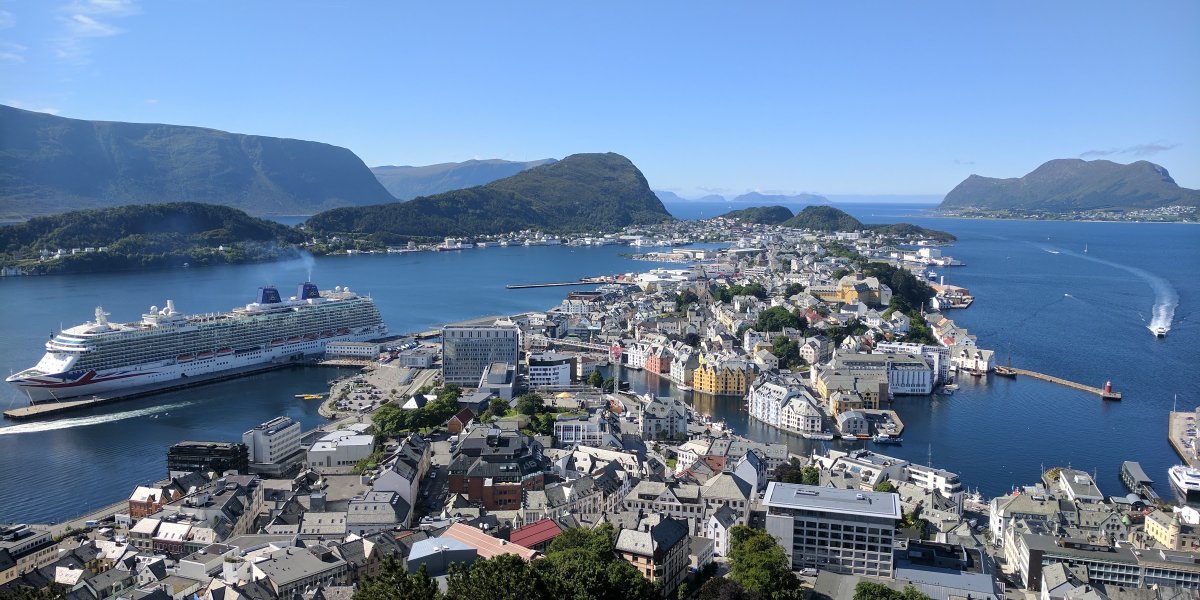
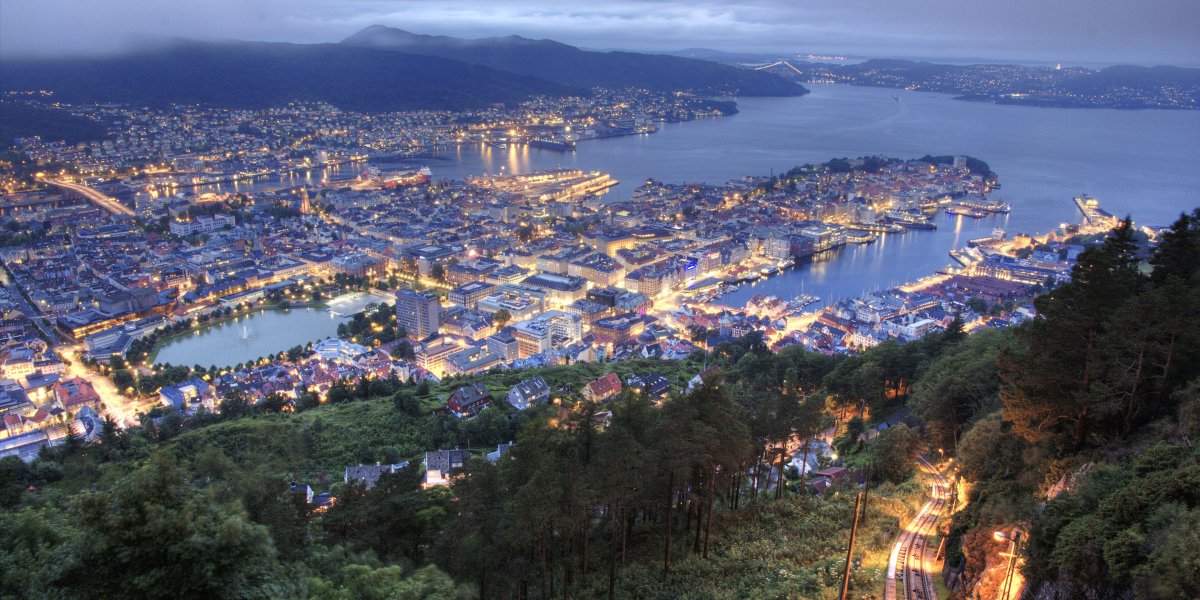
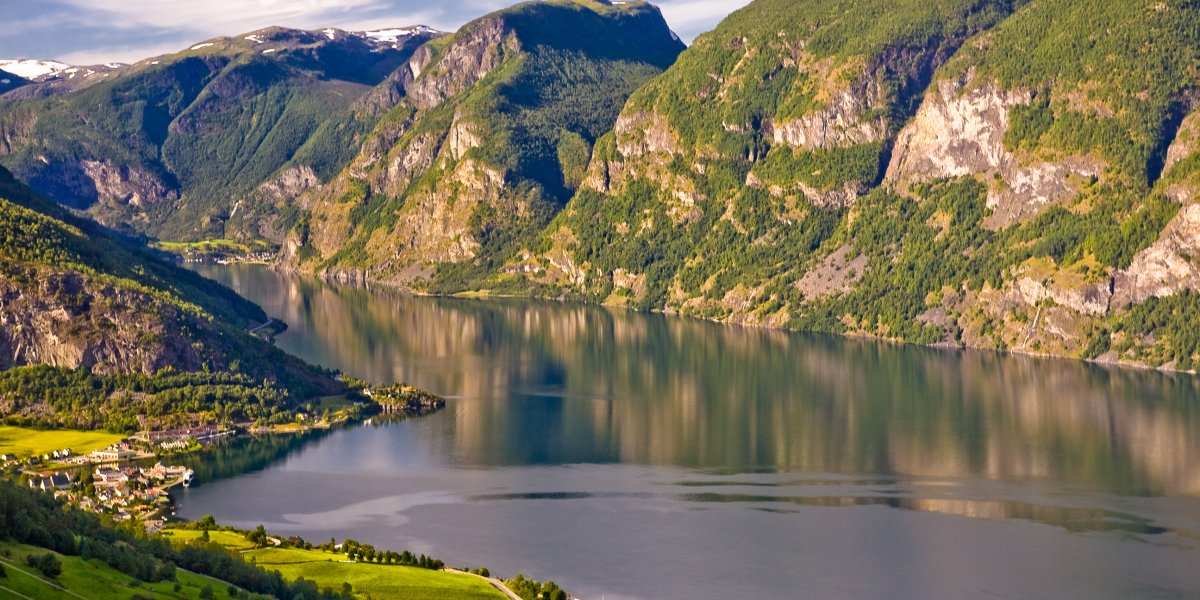
More in the same country
FAQ
Frequently asked questions
How many days do you need in Kristiansand?
Most travelers enjoy Kristiansand in 1 days, with enough time for headline sights and a slower meal or museum stop.
What's the best time to visit Kristiansand?
The easiest season for most travelers is Jun-Aug, especially if you want good weather and manageable crowds.
What's the daily budget for Kristiansand?
A practical starting point is about €95 per person per day before hotels, then adjust based on museums, dining, and transport.
What are the must-see attractions in Kristiansand?
A good first shortlist for Kristiansand includes Kristiansand Cathedral & Markens Gate, Christiansholm Fortress.