City Guide
Haarlem
Netherlands · Best time to visit: Apr-Sep.
Day-by-day plan
Choose your pace
Trip length
09:30
Landmark
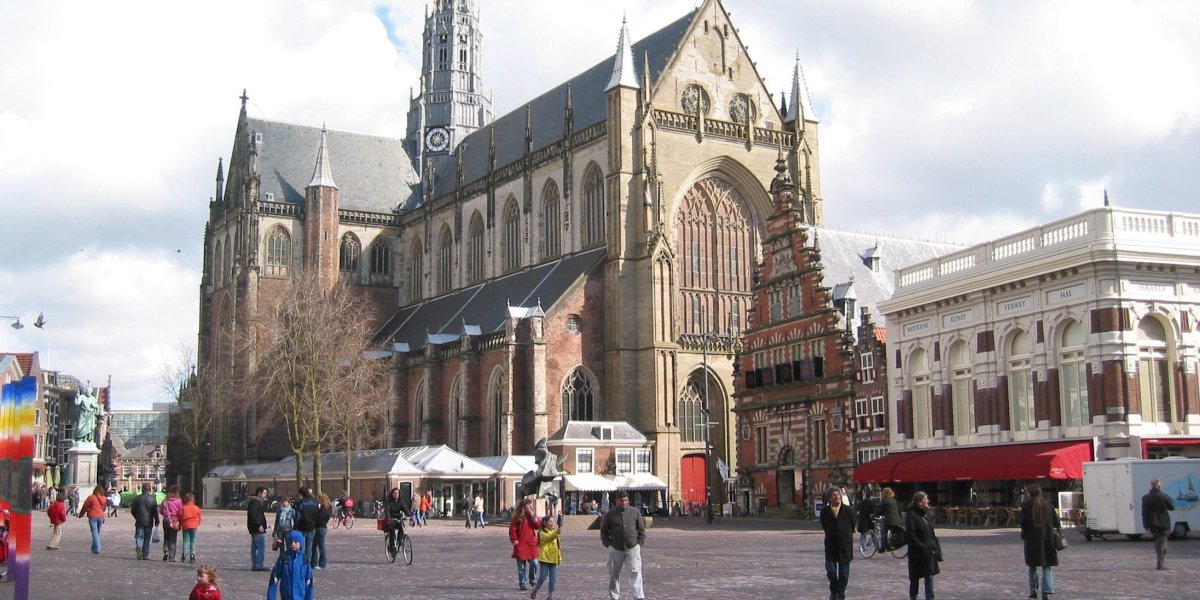
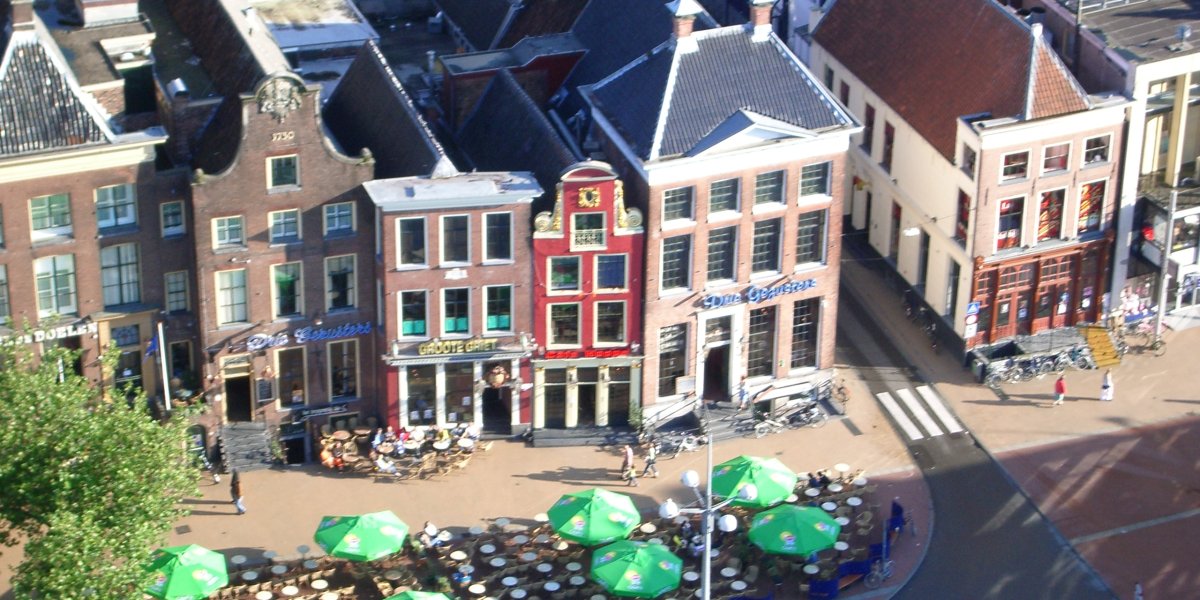
Out of Haarlem Centraal, walk straight down Kruisstraat for 10 minutes — the lane narrows into gabled 17th-century townhouses until the square opens like a Vermeer painting in front of you. The Grote Markt is the most photogenic square in the Netherlands, anchored by the Grote Kerk (St. Bavokerk), where a 10-year-old Mozart played the Christian Müller organ in April 1766. Circle the church clockwise to take in the medieval Vleeshal with its red shutters, the 14th-century Stadhuis on the west side, and the cobbled lanes radiating out toward the Spaarne.
Tip: Stand at the southwest corner of the square between 09:30 and 10:00 — the low morning sun rakes across the Vleeshal's brickwork and lights St. Bavo's south facade at exactly the angle you want. By 11:30 the tour buses arrive from Amsterdam and the light flattens out. The interior is closed to non-worship visitors on Sunday mornings, so do exteriors only on a Sunday.
Open in Google Maps →11:30
Landmark
Leave the square heading northeast on Smedestraat, then duck right onto Wijde Appelaarsteeg — the entrance is an unmarked wooden door at number 11A that you would walk past if you didn't know. Step through and you enter a hidden walled garden founded in 1395 — one of the oldest still-functioning almshouses in the Netherlands — where 14 tiny brick cottages still house elderly women for free under the same six-century-old charity. The chapel on the left has a Gothic ceiling that almost nobody sees.
Tip: Hofjes are private homes that tolerate quiet visitors weekdays 10:00-12:00 and 14:00-17:00 — never on Sundays. Whisper, never photograph through windows, and tip the donation box on the wall. If you find the door locked, walk two minutes further to Hofje van Staats on Jansweg as a backup.
Open in Google Maps →12:15
Food
Back across the Grote Markt, slip down Spekstraat on the south side — the frites stand is the tiny window-counter at number 3, two doors off the square. This is Haarlem's most beloved fries, fried in pure beef fat the Belgian way since 1958, served in a paper cone you eat standing against the brick wall outside. A 'speciaal' (frites with mayo, raw onion and curry ketchup, €5.25) is more honest Dutch lunch than any sit-down place around the square.
Tip: Order in Dutch — 'een kleine speciaal alstublieft' — and they'll move you to the front of the line faster than the polite tourists. The queue looks long but turns every 90 seconds. Don't sit at the café tables next door eating your fries; that's a different business and they will charge you a €4 cover. Eat against the wall outside like the locals.
Open in Google Maps →13:00
Neighborhood
From Spekstraat, walk east on Damstraat for 4 minutes — the street ends at the Spaarne river, where the wooden Gravestenenbrug drawbridge cuts across the water in front of you. Turn right and walk 80 meters south along the quay to Teylers Museum at Spaarne 16, the oldest museum in the Netherlands (founded 1778); even from outside, the neoclassical river facade with its giant arched windows is one of the most underrated views in Haarlem. Walk back north past the bridge along the east bank, where 17th-century merchant houses lean into the water and pleasure boats glide under the bridge whenever a captain rings the bell.
Tip: Stand on the west bank of the Gravestenenbrug looking east for the iconic shot — drawbridge in the foreground, stepped gables and St. Bavo's spire peeking behind. The east bank gets harsh backlight after 14:00 and your photos will all wash out. If you hear the bridge bell ring, wait two minutes — the wooden roadway lifts vertically for boats, and that's the photo worth being patient for.
Open in Google Maps →15:15
Landmark
Walk north along the Spaarne for 15 minutes — past the impossibly thin white tower of the Bakenesserkerk, past the houseboats moored along the quay, until the river bends and a single windmill appears alone on the bank. Molen De Adriaan has stood here since 1779, and the fact that no buildings rise behind it makes this the most photogenic working windmill in the Netherlands after Kinderdijk. Cross the small footbridge to the east bank for the classic postcard angle: the mill mirrored in the Spaarne with the old town stretched out behind.
Tip: Mid-to-late afternoon (15:00-17:00 in spring/autumn, 17:00-19:00 in summer) puts the sun behind your shoulder for the shot from the footbridge. Skip the riverside terrace café right at the mill — €7 for a flat coffee and the windmill blocks your own view from the seats. If the sails are turning, stand 40 meters back: too close and the blades blur and dominate the frame.
Open in Google Maps →18:30
Food
From the windmill, retrace the Spaarne south for 15 minutes, cross Gedempte Oude Gracht, and look for the gothic church silhouette rising above the rooftops — that's dinner. Jopenkerk is a deconsecrated 15th-century Catholic church reborn as a working brewery in 2010, with the copper brewing tanks gleaming under the original stained glass and the restaurant balcony looking straight down on them. Order the Hoppenbier (revived from a 1407 Haarlem brewing manuscript) with the slow-cooked beef stew braised in Koyt beer (€24.50) or the Jopen burger (€19), and you've eaten the most genuinely Haarlem meal possible.
Tip: Reserve a balcony table 24 hours ahead at jopenkerk.nl — the ground-floor taproom is loud and walk-ins routinely wait 40+ minutes after 19:30. Pitfall warning for the Grote Markt area you walked through today: the 'genuine Delftware' souvenir shops between the square and the Spaarne sell Chinese-printed mugs for €15-30 — authentic Royal Delft is only sold by certified retailers (look for the painted JT signature on the bottom) and starts at €45. Same with the 'antique' stroopwafel tins in the same shops — they're new.
Open in Google Maps →
Trip builder
Plan this trip around Haarlem
Turn this guide into a bookable rail itinerary with FlipEarth.
Keep exploring
Related cities
More in the same country




FAQ
Frequently asked questions
How many days do you need in Haarlem?
Most travelers enjoy Haarlem in 1 days, with enough time for headline sights and a slower meal or museum stop.
What's the best time to visit Haarlem?
The easiest season for most travelers is Apr-Sep, especially if you want good weather and manageable crowds.
What's the daily budget for Haarlem?
A practical starting point is about €70 per person per day before hotels, then adjust based on museums, dining, and transport.
What are the must-see attractions in Haarlem?
A good first shortlist for Haarlem includes Grote Markt & St. Bavokerk (Grote Kerk), Hofje van Bakenes, Molen De Adriaan.