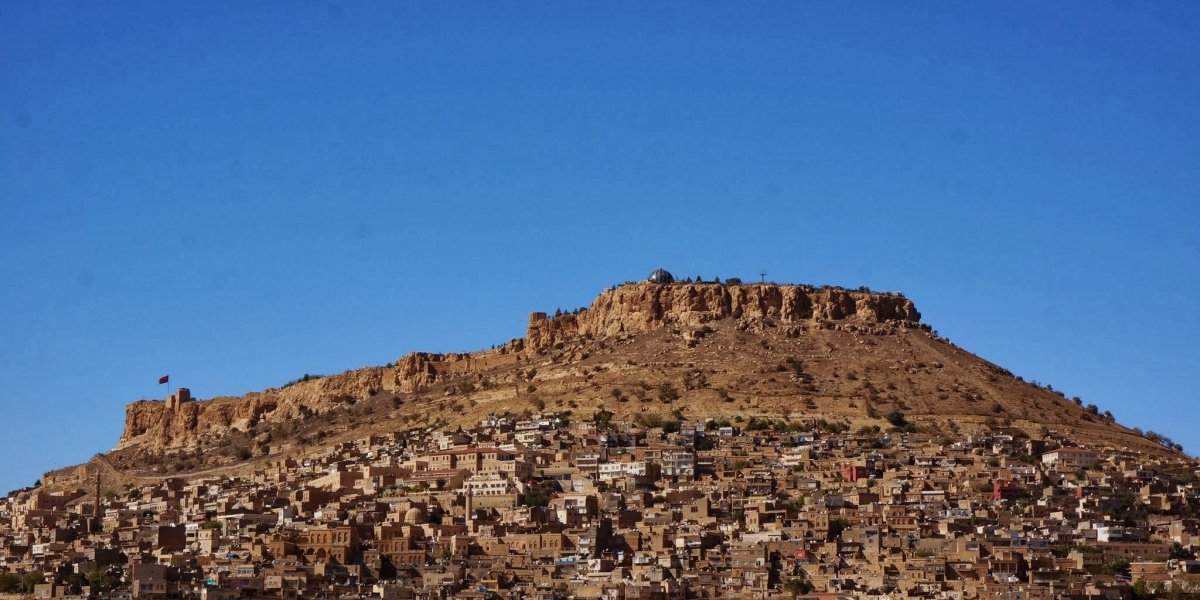
City Guide
Mardin
Türkei · Best time to visit: Apr-Jun, Sep-Oct.
Day-by-day plan
Choose your pace
Reisedauer
09:00
Landmark
Climb the steep stone alley behind Cumhuriyet Square — three minutes of breath-stealing ascent until Mardin's most photographed silhouette reveals itself at the final turn. The twin ribbed conical domes of this 1385 Artuqid medrese rise above the honey-stone roofs while the Mesopotamian plain unrolls fifty kilometers south toward the Syrian border; from the upper terrace on clear days you can see the dust haze hanging over the border villages. Morning is the only window when the sun side-lights the limestone gold without bleaching the carvings — by 10:30 the courtyard fills with tour buses from Diyarbakır.
Tip: Skip the front-facing terrace where every tour guide poses their group — turn right past the mihrab niche to the southern roof corner. Same panorama, dome in frame, no one blocking your shot. The narrow staircase up is unmarked; it's behind the second wooden door on your left as you enter the courtyard.
Open in Google Maps →11:00
Religious
Descend the same alley you climbed and turn west along Birinci Cadde — eight minutes through the spice bazaar with copper kettles hanging overhead and cumin in the air. The 12th-century Artuqid minaret of Ulu Camii is Mardin's oldest standing landmark, its octagonal base wrapped in rope-coiled stone fluting that catches the late-morning sun. The courtyard is open to respectful non-Muslims outside prayer times — sit on the stone bench against the south wall and watch the minaret throw a sharp shadow across the worn flagstones.
Tip: The classic postcard angle — minaret against open sky with the plains beyond — isn't from inside the courtyard but from the rooftop terrace of the small café diagonally across Birinci Cadde. Order a Turkish coffee (€2) and ask politely to step out onto the photo terrace; ten minutes there gives you the shot no one else has.
Open in Google Maps →12:30
Food
Step out of the mosque courtyard and walk two minutes north into the covered bazaar; the smoke from charcoal grills will lead you to a tiled storefront where locals queue at noon. Mardin lunch is not döner — order one lahmacun (€2, thin-crust lamb flatbread) and one içli köfte (€2.50, fist-sized bulgur shell stuffed with spiced lamb and walnut) with a glass of ayran. Eat standing at the counter so you're back on the street in 25 minutes; the proper sit-down meal is tonight.
Tip: Ask for 'acılı' (spicy) lahmacun — the default version is dialed down for tourists. Squeeze the lemon, sprinkle on the parsley and onion the waiter brings, roll it tight and eat with your hands; locals will nod approval. Avoid the larger restaurants with English menus along the main street — same dishes, triple the price.
Open in Google Maps →14:00
Religious
Walk west along Birinci Cadde for ten minutes, past the carved-stone post office and into a quiet residential lane where laundry crosses the alleys overhead. The Forty Martyrs Church is Mardin's living Syriac Orthodox cathedral — services are still conducted in Aramaic, the language Jesus actually spoke. The intricately carved walnut altar dates to 1500, and afternoon light streams through the small dome onto the floor where you can hear chanting drifting from the side chapel.
Tip: Ring the iron bell at the unmarked wooden door — a deacon opens it. Drop €2 in the wooden box and ask quietly if you may see the hand-copied Aramaic Bible kept in the side reliquary; they show it readily to genuinely curious visitors. The church closes 13:00-14:00 for the priest's lunch — arrive at 14:15 and walk straight in.
Open in Google Maps →16:30
Landmark
Leave the church and follow the steep stone path south, descending fifteen minutes out of the Old City toward the valley below the cliffs. Kasimiye Medresesi sits in startling isolation — a 15th-century theological school built around an octagonal reflecting pool that symbolizes the seven stages of life and one of death, the cycle ending where it began. At 16:30 the golden-hour sun lights the ribbed dome from the southwest while the Mesopotamian plain glows beyond the courtyard arches; this is the Mardin shot you've seen on every travel poster.
Tip: Walk through the courtyard to the rear arch and look back toward the entrance — the framing aligns pool, dome, and plains on one perfect axis (the front-facing shot misses the dome entirely). The pool is dry most of the year; if you visit between mid-April and June it fills with water and the reflection doubles the composition.
Open in Google Maps →19:30
Food
Hail a taxi at the Kasimiye gate (€4, ten minutes) back up to the Old City, then walk three minutes along Birinci Cadde to the carved-stone doorway of a 250-year-old mansion. Cercis Murat Konağı is the soul of Mardin cuisine — order kaburga dolması (€18, lamb ribs slow-stuffed overnight with cinnamon-rice and pistachio) and a thimble of mırra (a thick bitter local coffee served in three sips). The rooftop terrace faces south over the plains, and as you eat the lights of Syrian border villages flicker on against the dark.
Tip: Reserve the rooftop terrace by WhatsApp 24 hours ahead — unreserved guests get seated in the historic indoor dining room (beautiful walls, no view). Pitfall warning: the 'Mardin silver' jewelry sold by shops directly on Birinci Cadde is mostly imported plate from Istanbul. The actual silversmiths work inside Tellallar Çarşısı (Telkari Bazaar) where you can watch them hand-coil filigree wire and pay one-third the street price.
Open in Google Maps →Zu Tag springen
09:00
Landmark
Climb the stepped alleys from the old town — the lanes are still asleep, only the call to prayer carries through the honey-coloured stone. Built in 1385 by the Artuqids, this twin-domed madrasa crowns the highest terrace of Mardin, and from its rooftop the entire Mesopotamian plain unfolds below. At this hour the air is clear enough to make out the Syrian border, thirty kilometres south, as a thin silver line.
Tip: The rooftop is reached by a side staircase off the second courtyard, not the main steps — almost every tour misses it. Be up here between 9 and 10 a.m.; by noon heat haze swallows the plain into white glare.
Open in Google Maps →11:30
Religious
Descend the stone stairs five minutes south, threading past the dyer's shop and an olive-oil soap maker still pressing bars by hand. This 12th-century Artuqid mosque carries the city's only surviving ribbed minaret of the era — the honey-stone silhouette printed on every Mardin postcard. Step into the courtyard for the cool muqarnas vault before the noon prayer fills it.
Tip: For the iconic minaret shot, climb to the bakery rooftop on the southern lane (the baker waves you up for free) — it is the only angle where the minaret aligns with the dome of Latifiye Mosque behind.
Open in Google Maps →13:00
Food
Two minutes east along Birinci Caddesi, where copper pots hang from the bazaar arches, an unmarked door leads into a low-vaulted local kebab room. Order the Mardin-style lahmacun (₺50, paper-thin with isot pepper) and one içli köfte (₺60, deep-fried bulgur shell stuffed with spiced lamb and pine nuts). Wash it down with ayran from a copper cup. Average budget €8-12.
Tip: Skip the laminated tourist menu by the door — point at what the old men in skullcaps are eating; that is the daily off-menu. Arrive before 13:30 or expect a 20-minute wait under the arch.
Open in Google Maps →15:00
Religious
Five minutes east through the covered bazaar, then duck down an unmarked alley beside a green-painted gate. An active Syrian Orthodox parish since the 6th century, named for forty Cappadocian martyrs whose relics still rest behind the altar — this is the only church in Turkey where Sunday liturgy is sung in Aramaic, the language Christ spoke. The custodian Yakup will pull aside the silk curtain and walk you through the carved walnut altars if you greet him in Turkish.
Tip: Closed during the Sunday liturgy (10:00-11:30) but visitors are welcomed straight after — slip a few euros into the wooden donation box, as this is the parish's only restoration income.
Open in Google Maps →17:00
Museum
A ten-minute downhill walk along Birinci Caddesi brings you to a 19th-century Ottoman barracks beside the Şehidiye Mosque, glowing copper in the late sun. Two floors of meticulously curated ethnography lay out Süryani embroidered linens, Yezidi peacock icons, and Kurdish silver — all signed in English. The top terrace then opens onto the wide plain at the day's last hour, the most considered sunset view in Mardin.
Tip: Enter via the side gate facing the main road to skip the tour-bus queue at the front. The terrace café serves cardamom-scented Mardin coffee (₺60) — take it out at 18:00 in summer and you will catch the plain turning red as the call to prayer rises from below.
Open in Google Maps →19:30
Food
Walk back uphill ten minutes through the now-lit stone alleys to a restored hundred-year-old Süryani merchant's mansion on Birinci Caddesi. This is the definitive Mardin dinner: Assyrian home cooking served on a terrace that hangs directly over the night-time Mesopotamian plain, the lights of Kızıltepe scattered below like spilled embers. Must-order: kaburga dolması (lamb ribs stuffed with spiced rice, €18) and sembusek (Süryani meat pastry, €8). Average budget €30-45.
Tip: Reserve a terrace table 48 hours ahead via WhatsApp — only twelve tables exist and they fill from May onwards. Skip the imported wine list and ask instead for the house mlebbes almond liqueur (€6). Pitfall warning for Birinci Caddesi: restaurants with English-only menus and waiters beckoning from the door routinely inflate prices 40-60%; Cercis Murat is the genuine article, and the bill should be confirmed on arrival, not at the end.
Open in Google Maps →08:30
Religious
From the taxi stand below the Zinciriye terrace, take a fifteen-minute ride east through the apricot orchards. Founded in 493 AD on the floor of a Mesopotamian sun temple, Deyrulzafaran is one of the oldest functioning monasteries on earth — for 640 years it was the seat of the Syriac Orthodox patriarchate. You will descend into the original pagan altar room, stand in the 4th-century saints' tomb chamber, and see the upper church where the brothers still chant the Eucharist in Aramaic at dawn.
Tip: Aim for the 9:00 English tour led by a resident monk (included in the €4 ticket); Fridays the brothers rest and English tours are not guaranteed. Agree a fixed round-trip taxi fare at the stand (€25 with a 90-minute wait) — drivers approaching tourists at the monastery gate ask €40.
Open in Google Maps →11:30
Shopping
The taxi drops you at the old town entrance and the arcaded vaults begin immediately overhead. Six hundred years old and still organised by trade — the coppersmiths' alley first, then the soap makers' row, then the saddlers — this is the working bazaar, not the souvenir version. Look for bittim soap pressed from terebinth resin (€4 a bar) and the workshops still hand-twisting telkari silver filigree, the city's signature craft and the last surviving lineage of it in Turkey.
Tip: For telkari, walk past the first three glass-fronted shops and find Şerafettin Usta's workshop near the second arch — he is the master who trains the city's young apprentices, and his prices run 40% below the tourist-strip shops near Zinciriye.
Open in Google Maps →13:00
Food
Three minutes through the bazaar towards the main road, a small green sign of the Kamer Foundation marks a stone doorway. The cooks here are survivors of domestic violence trained by the foundation, and the menu rotates by what arrived at the market that morning. Order the daily fixed menu to taste five dishes in one sitting: kitel raha (bulgur dumplings in tahini-pomegranate sauce, €7), ikbebet (yoghurt-and-dumpling soup, €6), and the rare walnut sembusek. Average budget €10-15.
Tip: The fixed menu (€12) is the only way to sample five Mardin specialities at one table — order it as soon as you sit. They close at 16:00 sharp with no dinner service; every receipt funds the shelter upstairs.
Open in Google Maps →15:00
Museum
A five-minute walk west along Cumhuriyet Caddesi to the former Syriac Catholic Patriarchate — a yellow-stone palace with deeply carved window frames. The collection is the best chronological key to the Tur Abdin plateau: Assyrian cylinder seals from 2500 BC, Roman glass excavated at Dara, and a quietly haunting wall of Aramaic gravestones in the elongated Estrangelo script. Do not skip the basement, where the original 1895 patriarchal chapel survives untouched.
Tip: Walk around to the side garden gate — staff leave it unlocked between 14:00 and 16:00, bypassing the main desk queue. The bookshop sells the only English-language Tur Abdin guide (€8) printed in Turkey; nowhere else stocks it.
Open in Google Maps →17:00
Landmark
A short €4 taxi takes you ten minutes south to the city's edge, where the medrese stands alone on a quiet ridge facing southwest. Begun in the 15th century by the Akkoyunlu Turkmens, construction stopped the day their sultan was assassinated and the building was never finished — frozen mid-sentence ever since. The courtyard pool was cut to reflect the dome at exactly the golden hour: stand on the eastern side around 17:30 in summer (16:30 in winter) and the symmetry locks, the stone glowing ember-red.
Tip: This is the least-crowded major sight in Mardin because tour groups skip it for the city core — climb the unmarked external staircase on the eastern flank to the roof for the best dome shot. No railings up there; stay back from the parapet line and wear closed shoes.
Open in Google Maps →19:30
Food
A ten-minute taxi (€4) brings you back to a south-facing terrace on the western edge of the old city, perched high above the plain road. This is Mardin's signature panoramic dinner: stone levels stepping down towards the same Mesopotamian view you saw at dawn from Zinciriye, only now scattered with village lights. Order the kibe (Mardin-style meatballs in tahini-tamarind sauce, €15) and the firik pilavı (smoked green-wheat pilaf with lamb shank, €13), paired with a glass of local Kalecik Karası. Average budget €25-40.
Tip: Ask for a second-row terrace table rather than the front rail — the first row catches the street draft and the second row has the same view without the wind. The molasses-walnut dessert does not appear on the menu; order it by name (cevizli pekmez). Pitfall warning: tea sellers near the PTT building tout 'panoramic viewing platforms' for €5 entry — that exact view is free from any open corner along Birinci Caddesi or the Sabancı museum terrace, so walk past.
Open in Google Maps →
Trip builder
Plan this trip around Mardin
Turn this guide into a bookable rail itinerary with FlipEarth.
Keep exploring
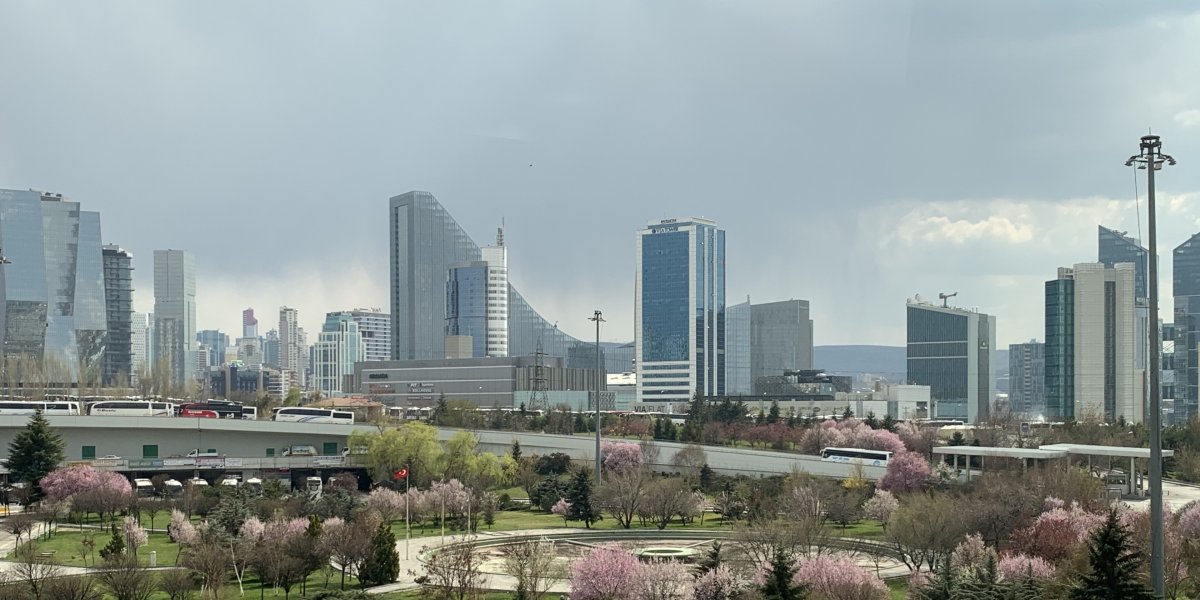
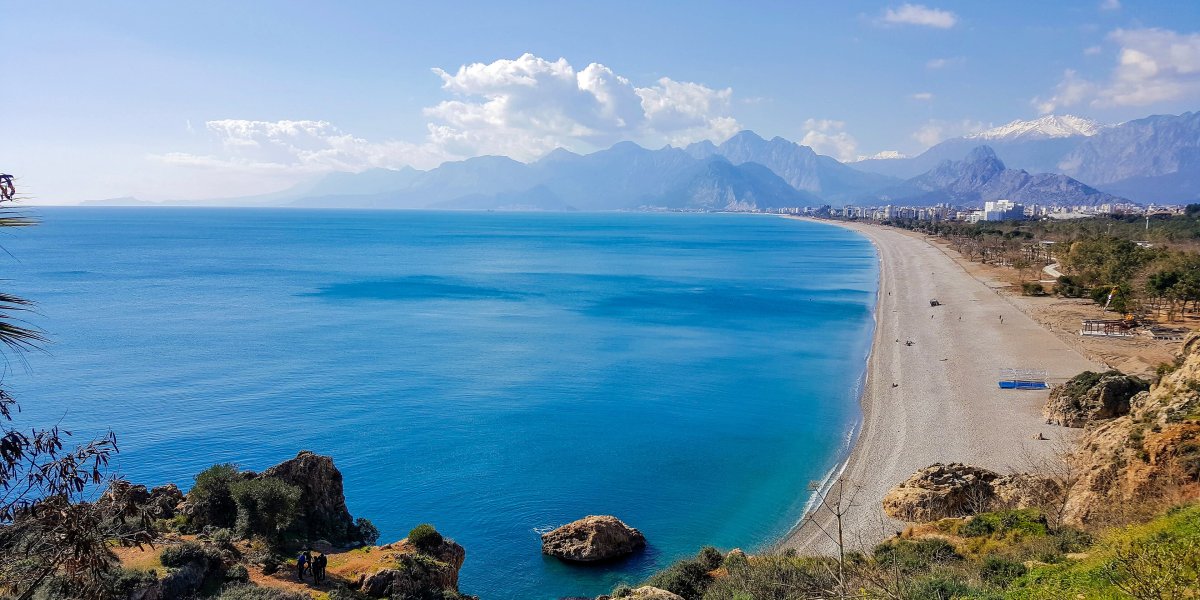
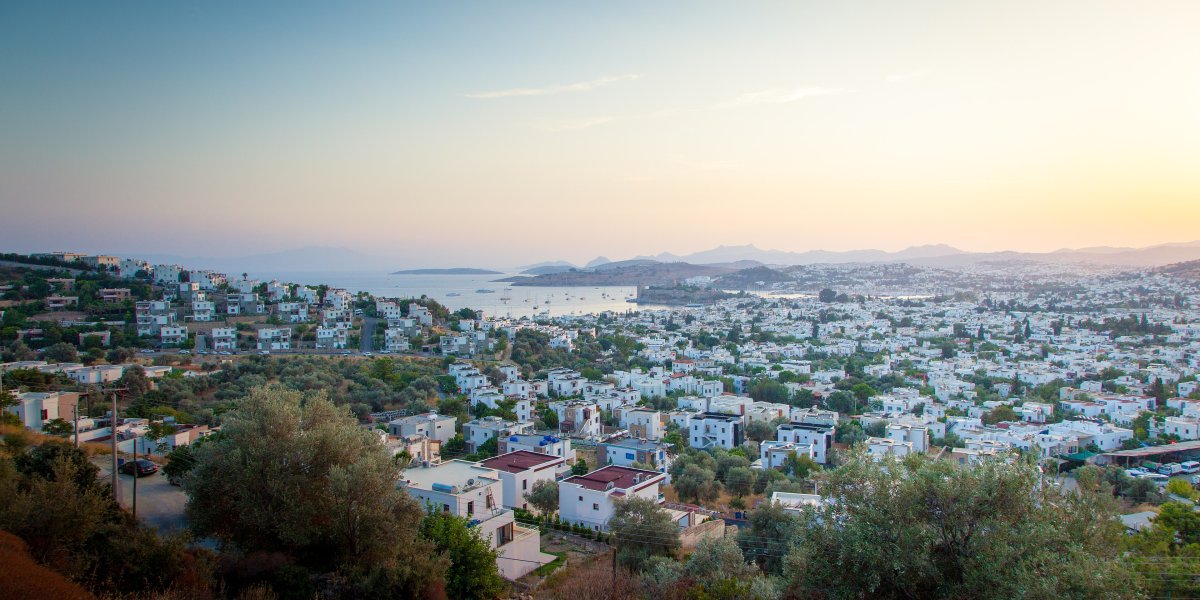
Related cities
More in the same country
FAQ
Frequently asked questions
How many days do you need in Mardin?
Most travelers enjoy Mardin in 1 days, with enough time for headline sights and a slower meal or museum stop.
What's the best time to visit Mardin?
The easiest season for most travelers is Apr-Jun, Sep-Oct, especially if you want good weather and manageable crowds.
What's the daily budget for Mardin?
A practical starting point is about €70 per person per day before hotels, then adjust based on museums, dining, and transport.
What are the must-see attractions in Mardin?
A good first shortlist for Mardin includes Zinciriye Medresesi (Sultan Isa Medrese), Kasimiye Medresesi.