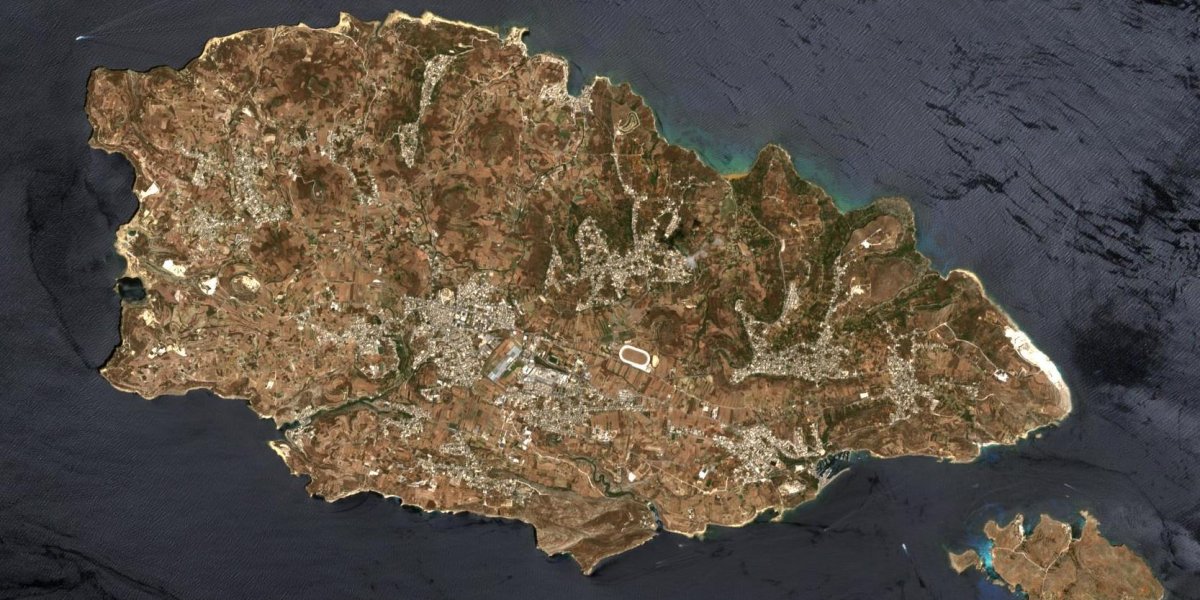
City Guide
Gozo
Malte · Best time to visit: Apr-Oct.
Day-by-day plan
Choose your pace
Durée du voyage
09:00
Landmark
From Mgarr ferry, a 15-minute taxi (or bus 322) drops you in Xaghra village; from the square it's a 5-minute walk down Triq Lambert past prickly-pear hedges to the temple gates. These twin megalithic temples are 5,600 years old, predating the Pyramids of Giza by a millennium and Stonehenge by 800 years; walk the outer perimeter to see colossal coralline limestone slabs (some over 50 tonnes) glowing in low morning light. You're here for the exterior and the silence: by 10:30 the cruise excursions arrive from Valletta and the magic evaporates.
Tip: Be at the gate at 09:00 sharp. Best photo angle: the wooden walkway above the southern temple's apse, where the entire chamber layout opens beneath you. Skip the visitor-center museum on entry; pop in only on the way out if you need air-con.
Open in Google Maps →11:00
Landmark
Quick 10-minute taxi to Victoria, dropped at Independence Square (It-Tokk), then a 5-minute uphill walk along Triq il-Kastell with the cathedral dome pulling you up the slope. Gozo's fortified hilltop refuge, where islanders sheltered from Ottoman raids; instead of paying for the cathedral interior, walk the full free circuit of the restored bastion walls (30 minutes) for a true 360 view of the whole island. From up here you can map the rest of your day at a glance: Marsalforn to the north, Dwejra cliffs to the west, the ferry harbor to the south.
Tip: Enter via the smaller 'Cathedral Gate' rather than the main ramp — quieter, and it puts you straight onto the wall walk. The Bastion of St Michael faces north at this hour so rooftop photographs come out crisp rather than sun-washed. Pick up a slice of Gozitan nougat (qubbajt) from the stall by the bastion gate, €2 and properly local.
Open in Google Maps →12:30
Food
Two minutes' walk from the bastions back into the heart of the Cittadella along Triq il-Fosos — look for the small green door under a stone arch. A Gozitan tasting platter served in a 400-year-old vaulted room: hand-pressed goat cheese (gbejna) from the owner Rikardu's own farm, capers, sundried tomatoes, broad-bean paste, olives, and warm ftira flatbread, with a glass of his estate wine pressed from grapes grown 5 km away. Six tables, family-run — the most concentrated single bite of Gozo you can take in an hour.
Tip: Order only the cheese-and-charcuterie platter (€14) and the house wine — on the table in 15 minutes. Skip the pasta dishes; the slow kitchen is not their strength. The ftira bread and the gbejna goat cheese are the two must-eat items of all of Gozo and this is the place to do both at once.
Open in Google Maps →14:00
Park
Fifteen-minute drive west to Gharb village; park near the chapel and walk 8 minutes down a stone lane between rubble walls and caper bushes to the clifftop. Gozo's 'other Azure Window' — a natural limestone arch still standing after the famous one collapsed in 2017, but with no entrance gate, no kiosks, no crowds. The clifftop path gives a side-on view of the arch framing open Mediterranean horizon; on a windy day you'll hear the surf booming through the cave below.
Tip: From the official viewpoint, walk 50 meters east along the unmarked goat path to a lower limestone ledge — the arch silhouettes perfectly against the sea and you can shoot without anyone in frame. Closed shoes only, the limestone is brutally sharp on ankles. No café, no bathroom, no shop — bring water from Victoria.
Open in Google Maps →15:30
Park
Ten-minute drive south along the coastal road — Dwejra appears suddenly when the road drops to the sea. The lost site of Gozo's iconic Azure Window (collapsed March 2017), but the surrounding seascape remains spectacular: take a fisherman's small boat from the Inland Sea cove out through a 60-meter natural cave to the open Mediterranean, where you'll see the Blue Hole — a 25-meter-deep underwater chimney that divers descend through a window in the rock. After the boat, walk 15 minutes west across pale limestone slabs to the Fungus Rock viewpoint; the late-afternoon sun lights up the orange cliffs and the lone offshore islet.
Tip: Buy the €5 boat ticket directly from the fishermen at the cove, not from the kiosk by the parking lot — same price, no waiting. After the boat, walk the limestone slabs west toward Fungus Rock rather than backtracking to your car; the cliff-top trail at 16:30–17:30 light is the most cinematic 20 minutes on Gozo. Knights of Malta once harvested a rare medicinal 'fungus' (actually a parasitic plant) off the islet — hence the name.
Open in Google Maps →19:00
Food
Fifteen-minute drive south to Xlendi Bay — park up top and walk down the curving road to the marina, arriving 30 minutes early to stroll the seawall as fishing boats reflect into the still water in the last light. Father-and-son seafood kitchen on the Xlendi waterfront, the local benchmark for decades: order the aljotta (Maltese fish broth with garlic and rice, €9) to start, then lampuki in caper-and-tomato sauce (€22, in season Sept–Nov) or octopus stewed in red wine (€20). House Gozitan white €18 a bottle, budget €40 a head — and because the bay is sheltered, the outdoor terrace stays calm even when the rest of the island is windy.
Tip: Reserve in advance and ask specifically for a terrace table facing the bay. PITFALL WARNING: avoid the half-dozen restaurants planted right on the Xlendi promenade with English-language menus and giant photographs of seafood platters out front — these are the only real tourist traps on Gozo, serving frozen calamari at €30 a plate. It-Tmun sits set back from the strip and is where Gozitan families themselves eat — that's the test.
Open in Google Maps →Aller au jour
09:00
Landmark
Catch the first bus 322 from Mġarr ferry terminal up to Xagħra — at 09:00, when the gates open, you'll likely walk the colossal trilithon doorways alone for the first half hour. These two megalithic temples were raised around 3600 BC, a thousand years before the pyramids of Giza, and at this hour the low eastern light rakes across the carved limestone, revealing spiral motifs and altar hollows that midday glare flattens into plain stone.
Tip: Skip the audio guide and stand directly inside the southern temple's apse facing east — the first builders aligned this chamber so the equinox sunrise pours straight onto the central altar. The morning ranger, Joseph, has worked here 28 years; if he's on shift, ask him about the goddess figurines found in situ.
Open in Google Maps →10:45
Museum
Walk out of Ġgantija's exit, turn right onto Triq L-Imqades — the limestone windmill stands 200 m down the same lane, four minutes' walk. Built in 1725 and one of only two working windmills surviving in the Maltese islands, its wooden gears still grind on windy mornings; the miller's bedroom upstairs is preserved exactly as Żeppi the last miller left it in 1987, rosary still hanging above the iron bedstead.
Tip: Buy the Heritage Malta multi-pass (€25) at this entrance — it retroactively covers Ġgantija and also lets you into the Cittadella museums this afternoon, saving about €8. Tour groups never stop here, so the miller's quarters are almost always empty.
Open in Google Maps →12:30
Food
Walk five minutes south through Xagħra's narrow lanes to It-Tokk square in the village — Oleander sits under the bell tower of the parish church, shaded by the white oleander tree it's named after. The chef is the matriarch, her son runs the floor, and this is where Gozitan grandmothers send their grandchildren. Order the stuffat tal-fenek (slow-braised rabbit stew with red wine and bay, €18) and bragjoli (beef olives stuffed with egg and pancetta, €16); start with bigilla, the broad-bean dip the islands have eaten since Phoenician times. Budget €25-35 per person with a half-litre of house wine.
Tip: Reserve the night before — locals fill every outside table for Sunday lunch. Ask Mario for a slice of the house ġbejna tal-bżar (peppered sheep's-cheese round) cured in their cellar; it never makes it onto the menu but they always have a few in the back.
Open in Google Maps →14:30
Landmark
Take bus 307 from Xagħra square to Victoria (15 min, every 30 min) — as you descend the road, the Cittadella reveals itself on its hill exactly the way it warned medieval villagers of approaching corsair galleys. Enter through the main gate, then immediately bear left for the bastion walk; you'll circle the entire fortress in 40 minutes with 360° views of every Gozitan village and across to Comino. Then duck inside the cathedral, whose painted trompe-l'oeil ceiling impersonates a dome the builders ran out of money to construct.
Tip: The 'dome' illusion only works from one spot — stand directly under the chandelier, look straight up, and the flat ceiling resolves into perfect coffered curvature. Afternoon is the right time here: morning light leaves the eastern bastions in shadow, but by 15:00 the entire ring of ramparts glows honey-gold.
Open in Google Maps →17:00
Neighborhood
Walk out of the Cittadella's main gate and straight down Republic Street — five minutes brings you to It-Tokk, Victoria's open-air market square ringed by ochre balconies. By late afternoon the morning's vegetable stalls have packed away and old men are taking their place at the café tables; thread through the narrow lanes behind the square and you'll stumble onto St George's Basilica, hidden inside a residential block and called 'the marble basilica' for the rare African stones lining its floor and walls.
Tip: Buy a qassatat — a small fluted pastry stuffed with ricotta and parsley or with mushy peas — from the unmarked stall on the south-east corner of It-Tokk. €1.50 each, baked since the 1960s by the Cini family; the pea version is the Gozitan original. Eat it on the basilica steps; the church bells ring at 17:30.
Open in Google Maps →19:30
Food
Walk back up to the Cittadella as the sun lowers — the limestone bastions glow amber and the day-trippers have all left for the ferry. Ta' Rikardu occupies a 400-year-old house just inside the main gate; Rikardu and his sons make their own ġbejna cheese and Gozitan wine in the cellar from grapes grown 200 m away. Order the Gozitan platter (cheese, ftira flatbread, sun-dried tomatoes, capers, olives, €14) and a carafe of their unfiltered red (€8); follow with rabbit ravioli (€13). Budget €25-35 per person.
Tip: Book the small terrace facing the cathedral — at 19:45 the bell rings vespers and the bastion floodlights come on. Pitfall warning: avoid the restaurants along the lower stretch of Republic Street with photographs of food on the menus and English-only signage — they reheat frozen fenek from cash-and-carry. Anything inside the Cittadella walls is family-owned; anything with a neon sign on Triq ir-Repubblika is not.
Open in Google Maps →09:00
Religious
Take bus 308 from Victoria to Għarb (15 min), then walk 800 m through a wheat field — the basilica appears alone on the open plain, no village around it, exactly as it has stood since 1932 on the spot where a peasant woman heard the Virgin speak in 1883. Step inside the small side chapel: its walls are covered floor to ceiling with thousands of votive offerings — amputated baby clothes, plaster casts cut off cured limbs, photographs of car wrecks survived, soldiers' helmets. It is a folk-Catholic museum of survival.
Tip: Arrive before the 09:30 mass and the votive corridor is empty. The mosaic Via Crucis stations along the approach path are best photographed now — the morning side-light brings out the gold tesserae; by midday the sun is directly overhead and the figures flatten into glare.
Open in Google Maps →11:00
Landmark
Take bus 311 south-west from Għarb (20 min) — Dwejra opens up like a stage set, limestone cliffs framing the Inland Sea, a 60-metre-wide saltwater lagoon connected to the open Mediterranean through a natural tunnel bored through the headland. Wooden boats wait at the slipway with their fishermen owners; €4 buys a 25-minute ride through the tunnel, around Fungus Rock, and over the spot where the Azure Window stood until it collapsed in a single storm in March 2017. Stand on the cliff above the Blue Hole afterwards and you'll see scuba divers sinking through 25 m of cobalt vertical chimney below.
Tip: Take the boat ride first thing — by 13:00 the afternoon wind picks up and the boatmen cancel tunnel runs more than half the days in summer. Fungus Rock isn't fungus: it's a parasitic plant once so prized as a wound-styptic that the Knights of St John posted guards on the rock and executed thieves; the cable hoist they used is still bolted into the cliff opposite.
Open in Google Maps →13:30
Food
Walk 1 km uphill back from Dwejra to San Lawrenz village (15 minutes through carob and prickly-pear country) — Tatita's sits on the corner of the church plaza, run by a brother-and-sister team since 1998 while their mother still rolls pasta in the back kitchen. Take the small inner courtyard under the lemon tree. Order the ravjul tal-ġbejna (handmade ravioli filled with sheep's-cheese, in burnt-butter sage, €13) and the day's catch grilled whole with capers and lemon (lampuki in autumn, €18-22 by weight). Budget €25-35.
Tip: Order the ravjul the moment you sit — the kitchen is tiny and rolls them to order, so they arrive 25 minutes in. Pitfall: ignore the two chalkboard cafés right at Dwejra's parking — €12 sandwiches on defrosted bread aimed at the Inland Sea crowd. The 15-minute walk to San Lawrenz is what separates day-trippers from people who eat properly.
Open in Google Maps →15:30
Landmark
Share a taxi from San Lawrenz to Wied il-Mielaħ (€8, 10 minutes) or wait for bus 312 — this is the natural rock arch most travelers never reach because guidebooks still mourn the Azure Window. Wied il-Mielaħ is larger, still standing, and frames the empty Gozo Channel and the silhouette of Malta's western coast beyond. The path drops down a dry valley to the cliff edge; in the afternoon, sea spray catches the western light through the arch.
Tip: Walk 200 m east along the unmarked cliff path to the abandoned WWII pillbox — almost no one finds it. From this angle the arch reframes Malta in the distance; this is the Instagram shot most people credit to the Azure Window. Wear closed shoes — the cliff edge has no railing.
Open in Google Maps →17:30
Park
Take bus 330 south from Għarb through Kerċem (20 min) — the bay reveals itself between two ridges as the road descends: a narrow deep inlet of jade water walled by white cliffs. Climb the steep stone path on the southern side past the squat 17th-century Carmelite watchtower for the postcard view back over the inlet, then drop down to the swimming platform tucked beneath. Late afternoon is exactly the right hour: the western cliffs throw the bay into cool shade, the swimmers thin out, and the light turns honey-gold along the eastern wall.
Tip: Bring a towel — the flat rock platform 80 m past the Carmelite Tower is where locals dive into 8 m of clear water. The frayed rope-and-tire swing tied to the cliff above it has hung there since the 1990s; if it's busy, the smaller cove just south is empty even in August.
Open in Google Maps →19:30
Food
Walk back down the cliff path and along Xlendi's waterfront promenade — five minutes brings you to Ta' Karolina, set on a stone platform so close to the water that spray reaches the outer tables on windy nights. The family lands its own fish from a small boat tied 30 m down the quay. Order the spaghetti rizzi (sea-urchin pasta, €19, made only when the boat brings them in that morning) and the catch of the day, grilled simply with lemon and capers (€22-28 by weight). Budget €35-50 with wine.
Tip: Book the night before for an outer-row table — the inner rows face the cliff. Pitfall warning for Xlendi: avoid the three restaurants near the bus turnaround at the head of the bay — they hand out laminated menus to arriving tourists, charge €30 for frozen 'fresh' fish flown in from Sicily, and add an undisclosed 15% 'service' charge that locals never pay. Anything past the bridge at the water's edge is family-run; anything before it is the tourist trap.
Open in Google Maps →
Trip builder
Plan this trip around Gozo
Turn this guide into a bookable rail itinerary with FlipEarth.
Keep exploring
Related cities
More in the same country
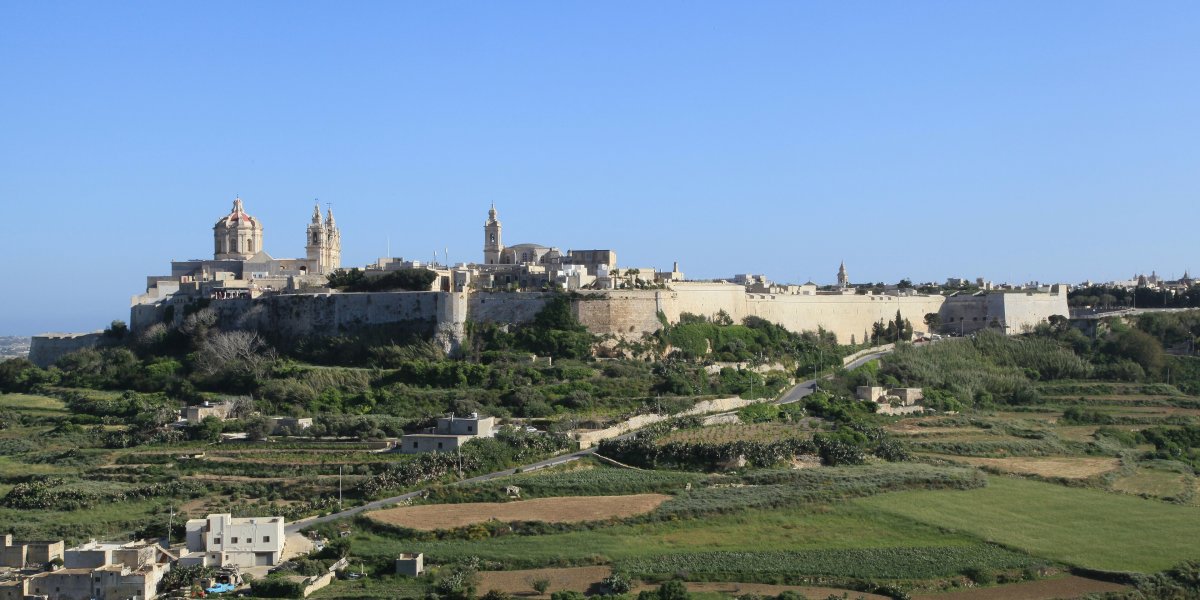
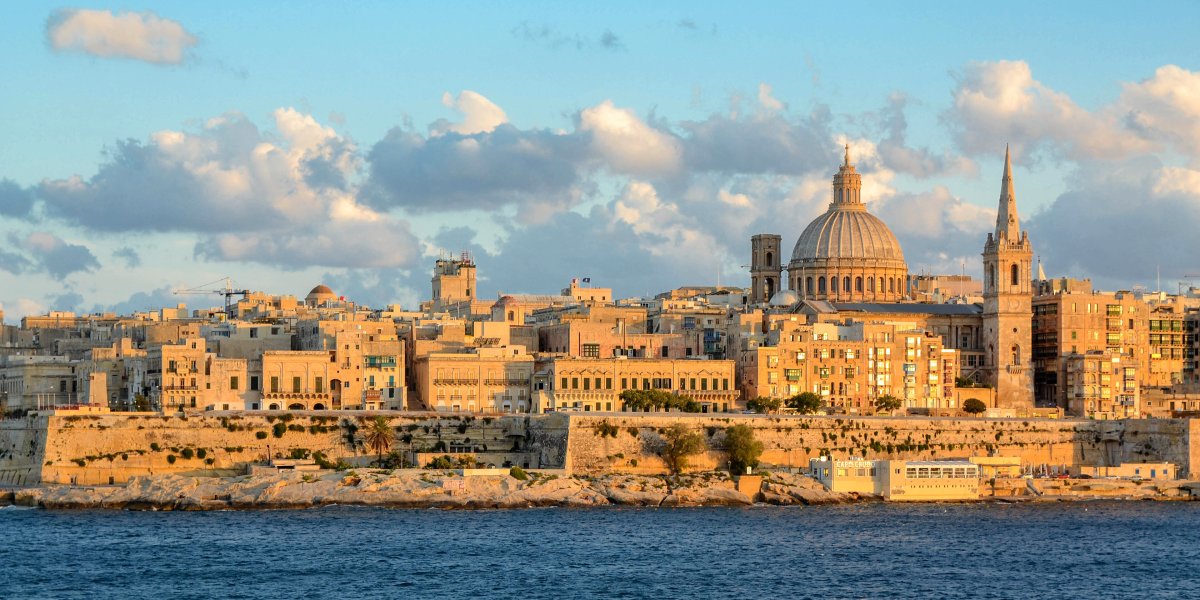
FAQ
Frequently asked questions
How many days do you need in Gozo?
Most travelers enjoy Gozo in 1 days, with enough time for headline sights and a slower meal or museum stop.
What's the best time to visit Gozo?
The easiest season for most travelers is Apr-Oct, especially if you want good weather and manageable crowds.
What's the daily budget for Gozo?
A practical starting point is about €120 per person per day before hotels, then adjust based on museums, dining, and transport.
What are the must-see attractions in Gozo?
A good first shortlist for Gozo includes Ggantija Temples, Cittadella of Victoria.