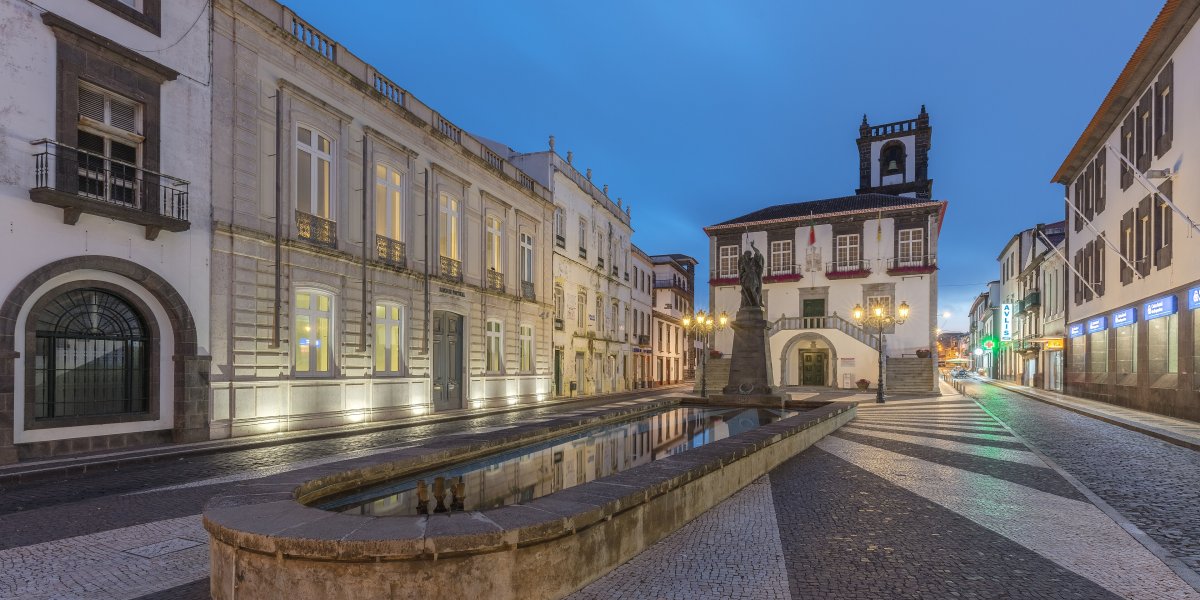
City Guide
Ponta Delgada
Portugal · Best time to visit: May-Sep.
Day-by-day plan
Choose your pace
Trip length
09:00
Landmark
From the city center, walk 35 minutes east along Rua Manuel Augusto Amaral into the quiet residential neighborhood of Fajã de Baixo — hibiscus hedges, painted shutters, a parish church on every corner, the Atlantic glimmering between rooftops. Slip through the unassuming gate of this fourth-generation family plantation: rows of glass greenhouses hide pineapples ripening for two slow years under tropical heat, each fruit polished by hand. At this hour the panes are still misted from the night's humidity, the only sound the soft hiss of irrigation — by 10:30 the tour buses roll in and the magic evaporates.
Tip: Stay until the end of the loop and ask the family for the licor de ananás tasting — three small shots, free, and the bottle ships nowhere except this island. Skip the bagged candied pineapple in the gift shop (overpriced); the fresh fruit is sold by weight at the producer's wooden table outside and is sweeter than anything you've eaten.
Open in Google Maps →11:00
Religious
Walk 25 minutes southwest along Rua dos Mercadores and the slow rise of Caminho da Mãe de Deus — narrow lanes climbing past whitewashed houses, the Atlantic gradually unfolding behind your shoulder. The tiny chapel sits alone on a basalt outcrop above the entire city; the climb is part of the reward. From here Ponta Delgada lies in white plaster and black volcanic stone, the marina to the west, and on a clear day the speck of Vila Franca islet on the horizon — the moment the city finally makes sense as one piece.
Tip: Walk around to the chapel's western face and stand on the low wall — the white houses cascade down toward Forte de São Brás and the open Atlantic in one frame, the best free panorama in town. The chapel door is almost always locked; don't wait for it to open, the view is the point.
Open in Google Maps →12:30
Food
Descend the hill via Rua dos Mercadores (8 minutes downhill, ducking past azulejo-tiled doorways and bakeries with steamed-up windows), then west to the market's white arched entrance. Inside, fishmongers slice morning-caught chicharros and bonito on marble; in the back row a few unmarked hot counters serve the working lunch — caldo verde, polvo guisado, grilled fresh fish on paper plates. The cafe out front is a tourist trap; the soul of the place is in the back, where the prices are still written by hand.
Tip: Order chicharros assados (grilled little mackerel, ~6€) and a pastel de bacalhau (~2€) at the back counter, then walk across Largo da Graça to Padaria Athanasio for two queijadas (~0.40€ each) — warm egg-and-cheese tartlets that the locals eat as second breakfast, better than anything inside the market.
Open in Google Maps →14:00
Landmark
Stroll 5 minutes south along Rua de Lisboa, the black-and-white basalt calçada rippling underfoot in wave patterns — a Portuguese craft you've only ever seen in old colonial squares. Emerge into Praça de Gonçalo Velho Cabral: three white triumphal arches frame the harbor on one side; opposite rises the Manueline portal of the 16th-century parish church. This is the single image every visitor brings home from Ponta Delgada. Walk under the central arch, then turn back — the church framed inside it is the photo you came for.
Tip: Arrive after 14:00 — the morning cruise day-trippers re-board around 13:30 and the square empties out. Stand at the center of the praça facing the gates with the church behind your camera: the wave-pattern calçada leads your eye into the arches and the spire rises perfectly through the central one. Skip going inside the church; the facade is the masterpiece.
Open in Google Maps →16:30
Landmark
Walk 12 minutes west along Avenida Infante Dom Henrique, the long waterfront promenade — yachts in the marina to your left, ochre 19th-century houses to your right, and gulls wheeling overhead in the salt wind. The road ends at the basalt walls of a 16th-century star fortress that still serves as a working Portuguese military base. Trace the seaward ramparts as the sun drops; the black volcanic stone catches fire, and the Atlantic crashes white on the rocks below.
Tip: Time your arrival one hour before sunset — the basalt glows like coal and the sea spray turns gold against the dark wall. Stand at the southwest corner of the fort with the lighthouse beyond; that's the postcard shot. Don't bother paying for the small military museum inside; the architecture and the light are the whole experience.
Open in Google Maps →19:30
Food
Walk 10 minutes inland from the fort — north up Rua Padre João José do Amaral, then east onto Rua Hintze Ribeiro. The restaurant hides behind an unmarked wooden door wedged between two corner shops; you'd walk past if you didn't already know. Inside is paper-tablecloth simplicity, no English menu, and the legendary Bife à Alcides — a thick beef fillet drowned in butter, garlic and black-pepper sauce, served the same way since 1969 — is the dish every Açoreano has eaten at least once.
Tip: Reserve by phone at least a day ahead — they turn most walk-ins away. Order the Bife à Alcides (~28€) and a glass of Frei Gigante white from Pico island (~5€), and use the bread to soak up every drop of the sauce — that's how the regulars eat it. Pitfall warning: avoid the cluster of 'traditional Azorean' restaurants right under the Portas da Cidade arch — printed menus in six languages, pre-cooked steaks, and 35€ for what costs 18€ two streets back.
Open in Google Maps →Jump to day
09:00
Shopping
Start where São Miguel actually wakes up. The fishmongers' auction is still wrapping up at 09:30 and farmers from Furnas and Ribeira Grande set out cheese, pineapple, and Gorreana tea. This is the only place in the city where you can taste the whole island in twenty minutes.
Tip: Enter through the rear via Largo da Graça to land first at the fish counters before the morning auction breaks. Try a slice of São Jorge cheese aged 18 months from the second stall on the left (~€4/100g) and a fresh ananás dos Açores — half the supermarket price. Cash only; vendors don't carry change for large notes.
Open in Google Maps →10:30
Landmark
Walk 3 minutes south down Rua do Mercado — the three white-stone arches of Portas da Cidade rise straight against the harbor light. Built in 1783 as the original sea-gate, they now frame the bell tower of Igreja Matriz behind them, whose 1546 Manueline doorway is the finest carved volcanic limestone in the archipelago.
Tip: Stand on the south side of Praça Gonçalo Velho facing inland — the central arch frames the church tower behind perfectly. Morning sun until 11:00 lights the western face; by noon both monuments are backlit. Step inside the church and look up immediately — the Manueline doorway in volcanic limestone is missed by almost every group.
Open in Google Maps →12:00
Food
Walk 2 minutes north up Rua do Aljube — A Tasca is the cramped, noisy room with locals already queuing outside. This is São Miguel's altar of petiscos: limpets, blood sausage, octopus with sweet potato, every plate meant to be shared and chased with the dry house vinho de cheiro.
Tip: Order lapas grelhadas (grilled limpets with garlic butter, €12) and chouriço assado (sausage flambéed table-side over aguardente, €8). No reservations — arrive at 12:00 sharp; queues stretch down Rua do Aljube by 12:30. House vinho de cheiro at €3.50/glass is the only wine that fits the petiscos.
Open in Google Maps →14:30
Landmark
Walk 7 minutes west along Avenida Infante Dom Henrique — the basalt walls of this 1552 star-fortress rise straight from the harbor wall. Inside is São Miguel's military museum: cannons, naval charts, and the most honest record of Azorean whaling left anywhere in the islands.
Tip: Skip the ground-floor cannon hall and climb straight to the upper bastion — this is the only unobstructed 270° harbor view from inside the city, and almost no one is up there. The whaling and emigration room in the west wing is overlooked but tells the real soul of how this archipelago survived four centuries of isolation. Closed Sunday afternoons.
Open in Google Maps →16:30
Religious
Cut inland 5 minutes through the camphor trees of Campo de São Francisco. The white convent of Nossa Senhora da Esperança holds São Miguel's most venerated icon — the Ecce Homo of Santo Cristo — and is the spiritual heart of the entire archipelago. Late afternoon light enters from the west and turns the gilded altar to liquid gold.
Tip: Enter through the side cloister, not the main door — the 1745 azulejo panels of Santa Margarida's life are missed by 90% of visitors. The Ecce Homo image behind the gilded altar is the same icon that draws 100,000 pilgrims into this square every May. Quiet, almost empty by 17:00 on regular days; the western window light at 17:00 is the photographer's hour.
Open in Google Maps →19:30
Food
Stroll east 12 minutes along the seafront promenade — Anfiteatro sits on the upper deck of Portas do Mar with curved glass over the bay. Modern Azorean cooking by chef Bruno Lopes, with the unmistakable advantage that the sun sets directly behind Ilhéu de Vila Franca right through your window.
Tip: Reserve 24 hours ahead for a window table at 19:45 — sunset over Ilhéu de Vila Franca peaks at 20:30 in summer. Order bife do atum à regional (Azorean tuna steak with onion confit, €22) and lapas com molho Afonso (limpets in lemon-butter, €14). Pitfall warning: avoid the row of restaurants along Avenida do Mar with photo-menus outside (Cais 20, Octopus and similar) — they target cruise passengers with frozen seafood at double price. Anfiteatro is the only seafront spot locals will defend.
Open in Google Maps →09:00
Park
Open the gate the moment it unlocks at 09:00 — this private 1860s English landscape garden stays nearly empty until 11:00. You'll have the camellia avenues, the giant Araucaria grove, and the swan pond entirely to yourself. José do Canto, the Azorean merchant who built it, lies buried under a kapok tree at the eastern end.
Tip: Buy your €5 ticket at the small wooden booth by the gate — opens 09:00 sharp. Walk the camellia avenue first (peak bloom February–March), then find the giant kapok tree at the eastern pond — José do Canto's tomb is hidden in its shadow, unmarked on every map. Closed Sundays in winter.
Open in Google Maps →10:30
Museum
Walk 2 minutes north up Rua Dr Carlos Machado — the museum occupies the 16th-century convent of Santo André. Three floors trace São Miguel's volcanic geology, whaling industry, and the ethnography of the islands' first Flemish-Portuguese settlers — the only place to understand what you're actually walking on.
Tip: Skip the ethnography rooms on the ground floor (15 minutes max) — head straight to the second-floor Sala da Mineralogia. Every basalt, obsidian, and pumice type from São Miguel is laid out in cross-section: context you'll feel in your bones if you ever return for Sete Cidades. The €4 combined ticket also covers Núcleo de Arte Sacra this afternoon — keep your stub.
Open in Google Maps →13:00
Food
Walk 4 minutes south to Rua Antero de Quental — this century-old bistro is where Ponta Delgada's lawyers and university faculty still take their long lunches. The interior is unchanged since 1925: wooden bar, deli counter, marble tables, and the sound of espresso cups on saucers. The point is local food cooked the way it's always been cooked.
Tip: Order alcatra à terceirense (slow-braised beef in red wine and allspice, €16) and ask for warm bolo lêvedo with butter on the side (€2/piece — the sweet muffin-bread the Azores can't live without). Lunch service ends sharp at 14:30; arrive by 13:00 for a window table on Rua Antero de Quental. The €1 espresso at the bar afterwards is the best in the city.
Open in Google Maps →15:00
Religious
Cross Praça 5 de Outubro 3 minutes north — the 1591 former Jesuit college hides the most extravagant gilded Baroque altarpiece in the Atlantic islands. Upstairs, the Sacred Art Museum keeps the silver custódia carried in the May Santo Cristo procession. Afternoon light through the south windows hits the wood-carved ceiling around 15:30 and the gold catches fire.
Tip: Show your morning Carlos Machado stub at the door — Sacred Art admission is already included and most visitors pay twice without realizing. Look for the silver custódia in the third upstairs case on the right — it's the actual one carried through this square every May, not a replica. The south-window light hits the carved ceiling at 15:30; sit on the rear pew on the left to see it.
Open in Google Maps →16:30
Park
Walk 10 minutes west along Rua Manuel da Ponte to this free 1850s botanical garden few cruise passengers ever find. Grottos carved into volcanic pumice tunnel beneath the central palm collection, and the upper path opens onto a lawn where local families read on summer afternoons.
Tip: Walk through the artificial pumice cave behind the central palm grove — bring your phone light; it's pitch dark inside and almost no visitor knows it leads to the upper terrace. Metrosideros excelsa from New Zealand blooms scarlet along the upper path July–August. Free, open until sunset, and you'll likely have it to yourself.
Open in Google Maps →19:30
Food
Walk 12 minutes back east to Rua Manuel Augusto Amaral — Tasquinha Vieira is twelve tables in a 19th-century townhouse behind an unmarked door. The chef cooks alone; his wife runs the room. This is the meal you'll talk about for a year, the kind of dinner that explains why people fall in love with São Miguel.
Tip: Reserve 48 hours ahead — there are only 12 tables and they are gone by Tuesday. Order alcatra (slow-pot beef in red wine and allspice, €19) and morcela com ananás (blood sausage with grilled Azorean pineapple, €11) — both are house signatures. Pitfall warning: any 'cozido das Furnas' offered inside Ponta Delgada is a regular stovetop stew — the real version requires being in Furnas where the pots are buried in volcanic vents (extend a day and book the Tony's lunch transfer from your hotel). Also skip the trendy bars east of Portas do Mar charging €40+ for forgettable tapas — locals never go.
Open in Google Maps →Jump to day
09:00
Landmark
Begin at Praça Gonçalo Velho Cabral, the small square where every visit to São Miguel symbolically begins. The three white arches trimmed in black basalt are the architectural fingerprint of the Azores — built in 1783, moved here stone by stone in 1953, and somehow they still feel like a threshold rather than a monument. At 09:00 the sun is low and east, so the arches are front-lit and the cobblestone square is empty; by 11:00 the first cruise tenders dock and the place fills up. Take fifteen minutes here, then drift north up Rua dos Mercadores to feel the rhythm of the centro histórico before the shops open.
Tip: The postcard angle is from the south edge of the square looking north — the three arches frame the Igreja Matriz bell tower behind them. Stand against the seafront railing, crouch slightly so the lampposts disappear from the frame. The angle everyone takes from inside the arches has those lampposts cutting the shot in half.
Open in Google Maps →10:00
Museum
From the arches, walk north up Rua Hintze Ribeiro for six minutes, then turn right into the quiet pavement-tile lanes of the upper old town. The museum lives inside the 16th-century Santo André Convent — three connected wings around a tile-walled cloister where the only sound is your own footsteps. Arrive at the 10:00 opening; this is the moment the volcanic geology hall, the religious sculpture wing and the natural history collection are entirely yours. The museum punches well above its weight: Azorean basalt cores, dried tuna the size of a small car, and the strangest collection of devotional masks you will see in Portugal. Pace yourself — it is not large, but every room rewards a slow eye.
Tip: Skip the second-floor 19th-century painting halls — provincial copies, twenty minutes wasted. Spend your time in the ground-floor geology room (the lava bombs from Capelinhos are stunning) and the Núcleo de Santa Bárbara religious sculpture wing across the cloister. The €3 ticket covers all three nuclei of the museum for the day.
Open in Google Maps →12:30
Food
Walk five minutes south through the old town, dropping down to the narrow tile-floored Rua do Aljube — the lane where shopkeepers and office workers from the marina come for lunch. A Tasca is the size of a one-car garage, every wall painted with chalk slogans and ribbons of dried chorizo hanging from the rafters. The food is unapologetically Azorean: petiscos to share, big plates of grilled meat and limpets, and house wine in clay jugs. By 13:00 there is a line on the cobblestones outside, so a 12:30 arrival is the difference between sitting down and being told to come back at 14:30.
Tip: Order the lapas grelhadas (€12, grilled limpets in garlic-butter — São Miguel's signature shellfish) and one Bife à Regional (€15, beef topped with a fried egg in Madeira sauce, served on a sizzling stone). Skip the daily fish board — it's the only tourist-priced item. House red in a 500ml jug is €5. Average €25 per person with wine.
Open in Google Maps →14:30
Landmark
From A Tasca, head two short blocks south to the waterfront and turn left along the Avenida Marginal — past the Coliseu Micaelense and the harbour fishing fleet. The 16th-century forte sits where the city meets the ocean, its black volcanic walls rising from the basalt rocks. Visit in the afternoon: the sun is now southwest and lights the seaward bastions, while in the morning the same walls are in flat silhouette. Spend an hour inside walking the ramparts, then continue east along the marina promenade to the Mercado da Graça — the covered market where the fish stalls close by 16:00 but the tropical fruit and Azorean cheese stands run later. Leave thirty minutes at the end to drift the marina front and watch the fishermen come in.
Tip: The forte's military museum (€3 inside) is skippable — fifteen minutes of dusty artillery. Pay the €2 for ramparts access instead and walk the seaward wall; the basalt staircase down to the rocks at the eastern wall is where locals fish at dusk and where the Atlantic spray actually reaches you. Best photo angle: from the marina breakwater 200m east, looking back at the fort with the city behind it.
Open in Google Maps →19:30
Food
From the marina, ten minutes north on Rua Hintze Ribeiro to Alcides — a single dim-lit dining room with red tablecloths and the same yellowing menu it has used since 1969. This is where Ponta Delgada families come for an occasion, and the entire restaurant exists for one dish: the Bife à Alcides, a beef steak in a secret black sauce that the founder's grandson still refuses to write down. Sit at a wall booth, not a centre table; order without looking at the menu.
Tip: Bife à Alcides (€18) is the only dish anyone orders — beef sliced thin and bathing in the sauce, with hand-cut fries that you should ask for crispy ('bem fritas'). Pair with the house Pico red. Reserve a day ahead; without a booking, arrive at 19:30 sharp or you'll wait until 21:30. Pitfall warning: every restaurant lining the marina seafront west of Portas do Mar is tourist-trap territory — frozen food, €40 menus, English-only waiters. The good places, including Alcides, sit one block back from the water on Rua Hintze Ribeiro and Rua do Aljube.
Open in Google Maps →08:30
Landmark
Drive thirty minutes west from Ponta Delgada on the EN1-1A — the road rises through eucalyptus and farmland until the asphalt suddenly tips over a ridge and the entire Sete Cidades caldera opens beneath you. Vista do Rei is the highest viewpoint on the western rim, with the abandoned shell of the Monte Palace Hotel anchoring the terrace. Stand facing north: Lagoa Azul on your right, Lagoa Verde on your left, separated by a single stone bridge — two lakes the size of small towns, side by side, one blue and one truly green. Arrive by 08:30 in earnest: from 10:00 onward the caldera fills with sea cloud rising up the slopes, and within twenty minutes you cannot see the lakes at all. This is the single most weather-dependent thirty minutes of your trip.
Tip: The most iconic photo angle is not the roadside terrace — it's from the abandoned Monte Palace Hotel terrace 200m below. Take the gravel staircase down past the chain barrier (every visitor does it, no one stops you). On a clear weekday before 09:00 you'll have the entire terrace alone. Bring a wide-angle lens; on a phone, use panorama mode horizontally.
Open in Google Maps →09:45
Park
From Vista do Rei, drive fifteen minutes south along the rim to the small Lagoa do Canário parking pull-out. From there a 1.5 km dirt trail climbs gently through endemic incense bush and Japanese cedar to Boca do Inferno — the famous knife-edge viewpoint where seven crater lakes line up below in a single curving sweep. This is the photo angle that appears on every São Miguel guidebook cover, and the only way to reach it is on foot. Go now while the morning sun is east and front-lights the entire basin from behind your shoulder; by mid-afternoon the same view is backlit and washed out. Three hours total with photo stops and the return walk.
Tip: Wear hiking shoes, not sneakers — the volcanic gravel turns slippery the moment it rains, and the final ten-metre approach to the viewpoint is on loose scoria. Bring water; the trail has zero shade in summer and zero shelter the rest of the year. The famous photo angle is from the highest wooden platform at the right edge of the viewpoint, not the lower terrace — crouch and frame the chain of lakes diagonally across the image.
Open in Google Maps →12:45
Food
Drive down from the rim into the village of Sete Cidades itself — fifteen minutes of switchbacks dropping 400 metres to the lake floor. The restaurant sits two short streets behind the lakeshore church, in a low whitewashed building with a wisteria-covered terrace. It is family-run, busy with farm hands and the few caldera residents at lunch, and it is the only kitchen on the lake floor that actually cooks rather than reheats. Ask for the terrace; the dining room indoors has no view at all.
Tip: Order the alcatra (€16, beef shoulder slow-braised for four hours in red wine, allspice and bay — an Azorean specialty that travels poorly and almost never appears on PDL menus) and the bolo lêvedo on the side (sweet griddled muffin bread, €1 each, eat warm). Average €25 with house wine. Reserve a terrace table the day before by phone if possible — the indoor room is depressing after the drive in.
Open in Google Maps →14:30
Park
Walk straight out of the restaurant — the village is only five blocks deep, and the lakeshore is reached in three minutes. Pick up the unsealed shoreline path on the south side of the bridge that separates the two lakes; follow it counterclockwise around Lagoa Azul (about 4 km, a slow ninety minutes with stops). The bridge itself is the photograph everyone comes for: stand on its midpoint and look down, and you can see the colour line on the water where blue meets green. The afternoon light is what you want here — the sun is now overhead, the lake colours are at their most saturated, and the wind has usually dropped after midday so the surface mirrors the crater walls. End the walk back at the bridge, where a small unmarked beach on the east side of Lagoa Azul is where the village teenagers swim.
Tip: Bring a swimsuit and a quick-dry towel — the beach at Lagoa Azul has no facilities but the water is calm and warm enough in summer. The colour-difference photo is best taken from the bridge centre at 15:00, not 14:00: the sun is more vertical and the colour line on the water sharpens. Avoid the tour-bus path along the road — walk the lakeshore on the water side, where 90% of visitors never go.
Open in Google Maps →19:30
Food
Drive thirty minutes back to Ponta Delgada and park near the centro histórico. Rotas da Ilha Verde is two minutes' walk from Museu Carlos Machado — a small, intentional dining room with a chalkboard menu and a single chef cooking for fourteen seats. It is the only fully vegetarian Azorean kitchen in the city and the one place where you'll taste pineapple as a savoury ingredient, used in the local Goan-influenced curries that have been quietly part of São Miguel's table since the 17th century.
Tip: Order the pineapple and chickpea curry (€15 — the pineapples are grown 8 km from the restaurant, the only commercial pineapple plantation in Europe) and the inhame com couve (yam slow-cooked with kale and garlic, €11). Average €30 with a glass of Pico Verdelho. Pitfall warning: hotel concierges and storefront agencies along Rua Dr. Bruno Tavares Carreiro sell 'Sete Cidades minibus tours' for €40-50 — they stop at one viewpoint for ten minutes and never enter the caldera floor. Renting a small car (€25-30/day) is non-negotiable to see the lakes properly.
Open in Google Maps →09:30
Landmark
Drive forty-five minutes east from Ponta Delgada on the EN1-1A through Ribeira Grande, then descend through the eucalyptus into Furnas valley — a green amphitheatre with a perpetual veil of steam rising from its centre. Park near the village square and walk three minutes south to the Caldeiras: boiling sulfur springs, mud pots, and steaming vents punching straight through the middle of the village's streets. Wooden boardwalks let you walk between them at arm's length, and the smell of sulphur is part of the experience. Time your visit for mid-morning — by 09:30 the cozido kitchens have already lowered the morning's pots into the holes and you may catch one being weighed and tied down.
Tip: The boardwalk loop is small — twenty minutes is enough. The hottest, most photogenic vents are at the southeast corner where the steam rises against the dark trees behind. Free public taps near the main caldeira pour out hot iron-rich mineral water; the locals drink it (slightly sulphurous, mostly metallic), the smart tourists rinse a coin in it and watch it turn black in thirty seconds.
Open in Google Maps →10:30
Park
From the Caldeiras, walk five minutes east on Rua das Caldeiras and pass through the wrought-iron gate of Parque Terra Nostra. The garden was laid out in 1775 by a Boston merchant and is one of the great Atlantic-island botanical gardens — endemic Azorean tree ferns, Japanese cycads, a hidden grove of Norfolk pines, and at its centre the wide ochre-orange thermal pool that gives the park its reputation. Visit in the morning while the gardens are cool and the pool is still warm from its overnight reset. Walk the upper terraces and the camellia avenue first, then leave forty minutes to soak in the iron-rich pool itself — body temperature, oddly slippery, and the colour of strong tea. You want to be dry before lunch.
Tip: Bring a swimsuit you don't love and a dark towel — the iron in the pool will permanently rust-stain anything light. The water itself is harmless but stay no more than thirty minutes; the warmth combined with iron concentration will leave you lightheaded if you push it. The warmest spot is directly under the central fountain head. Save the ginkgo grove and the endemic ferns for after the soak when you're moving slowly anyway.
Open in Google Maps →13:00
Food
Walk three minutes back through the village to Tony's — a wide, slightly tired dining room that exists for one dish only. The cozido das Furnas is the famous stew of seven meats and four root vegetables that the kitchen lowers into iron pots, buries in volcanic mud at the lakeshore at dawn, and unearths at noon. By the time it reaches your table it has been cooked for six hours by the volcano itself, and it tastes like nothing you have eaten in Europe. The portion is enormous and arrives on a single shared platter.
Tip: Order the cozido das Furnas (€22 — a set portion of beef, pork, chicken, blood sausage, chorizo, cabbage, sweet potato, taro and yam, served with the cooking broth on the side). Reservation is essential; the kitchen only buries a fixed number of pots each morning and the cozido sells out by 14:00. Don't expect speed — this is a ninety-minute meal and that's the point. Order only the cozido and a bottle of house Verdelho; nothing else on the menu rises above adequate.
Open in Google Maps →15:00
Landmark
Drive five minutes south of Furnas village to the Lagoa das Furnas — the lake whose volcanic shore is where your lunch was buried this morning. Park at the northern shore lot, then take the unpaved trail that follows the lake's western edge for 1.5 km (a slow twenty-five minutes with the views). The path emerges at the unexpected Capela de Nossa Senhora das Vitórias — a private neo-Gothic chapel built in the 1880s by a grieving viscount, rising from the lake's stone embankment like something pulled from a Bavarian fairytale and dropped on São Miguel. Walk back along the same shore in late afternoon light, when the sun drops behind the western ridge and turns the lake mercury-grey.
Tip: On your way in, stop at the small concession on the lake's east shore — for €1 you can walk down to the buried-cozido pits and watch the steam rising directly out of the lakeshore mud. The chapel itself is usually locked, but the iconic photo is the chapel framed by the lake from the western trail, not from up close. Bring a light layer — the valley cools fast after 17:00 even in summer.
Open in Google Maps →19:30
Food
Drive forty-five minutes back to Ponta Delgada — by the time you reach the centro it is dusk over the harbour. Anfiteatro sits on the upper floor of the Portas do Mar complex right on the marina, a modern glass-walled dining room facing west across the water toward the harbour entrance. This is the most considered Azorean cooking in the city — local octopus, sweet onion from São Miguel, the daily catch handled lightly — and the only restaurant in Ponta Delgada where you can watch the harbour lights come on through the meal. Reserve a window table at 19:30 to catch the last fifteen minutes of sunset over the western breakwater.
Tip: Order the polvo à lagareiro (€24, octopus roasted with olive oil and crushed potatoes) and the queijada da vila franca for dessert (€5, the small cinnamon-spiced cheese tart that locals drive across the island to eat). Average €40 with wine. Pitfall warning: the open-air 'lounge bars' lining the marina deck below Anfiteatro charge €12 for cocktails and warmed-up frozen tapas — for a real after-dinner drink walk three blocks inland to Rua do Aljube, where the small wine bars pour Pico Verdelho by the glass for €4.
Open in Google Maps →
Trip builder
Plan this trip around Ponta Delgada
Turn this guide into a bookable rail itinerary with FlipEarth.
Keep exploring
Related cities
More in the same country
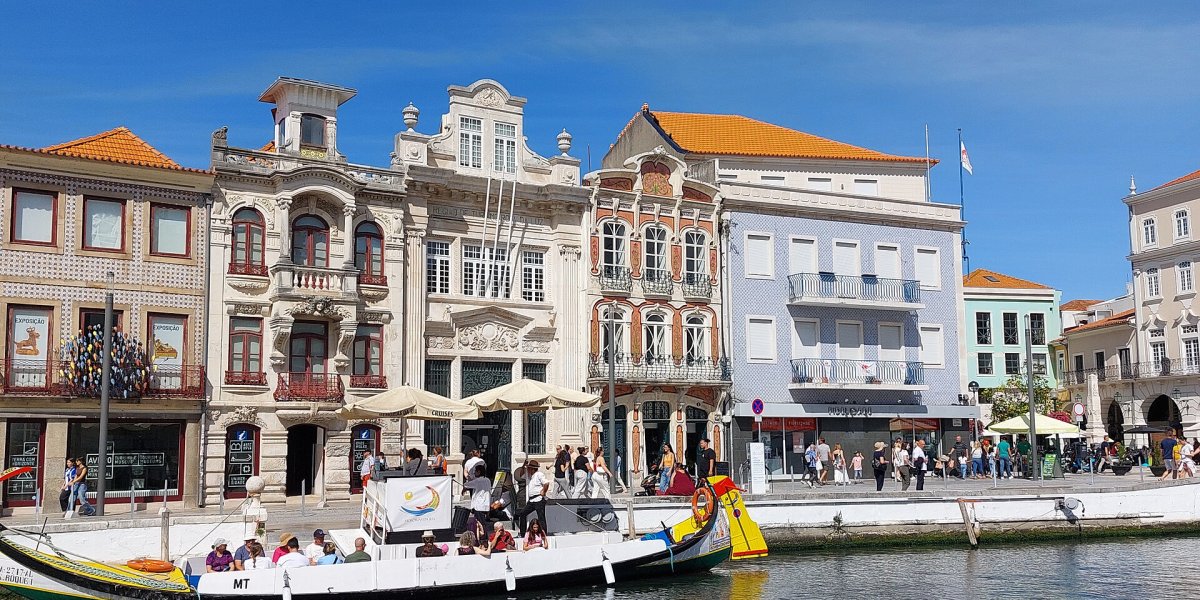
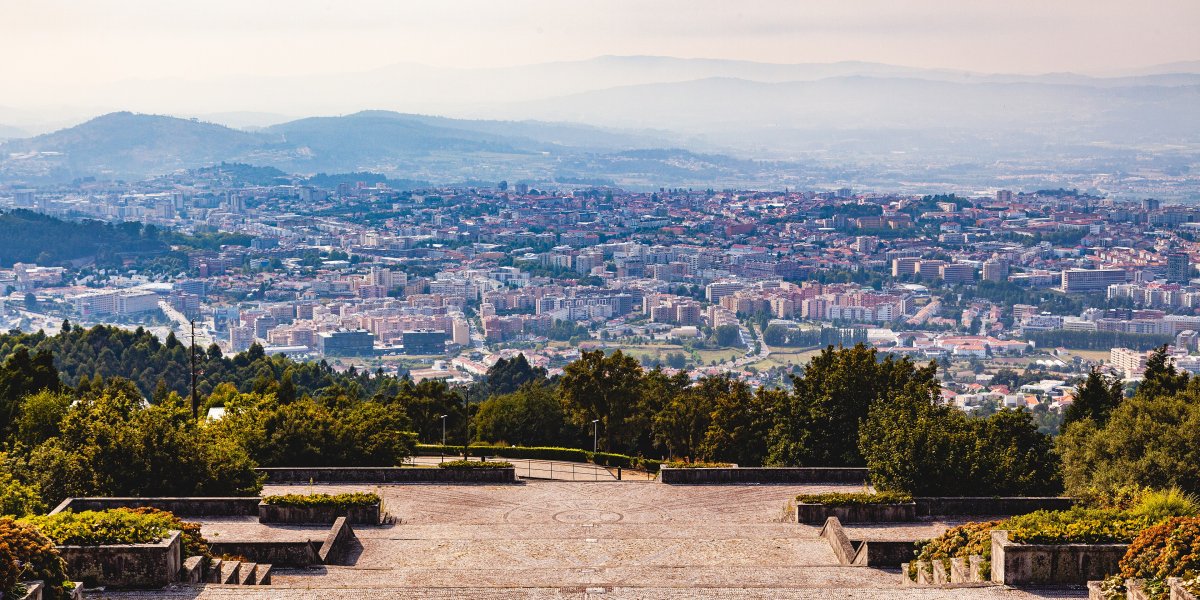
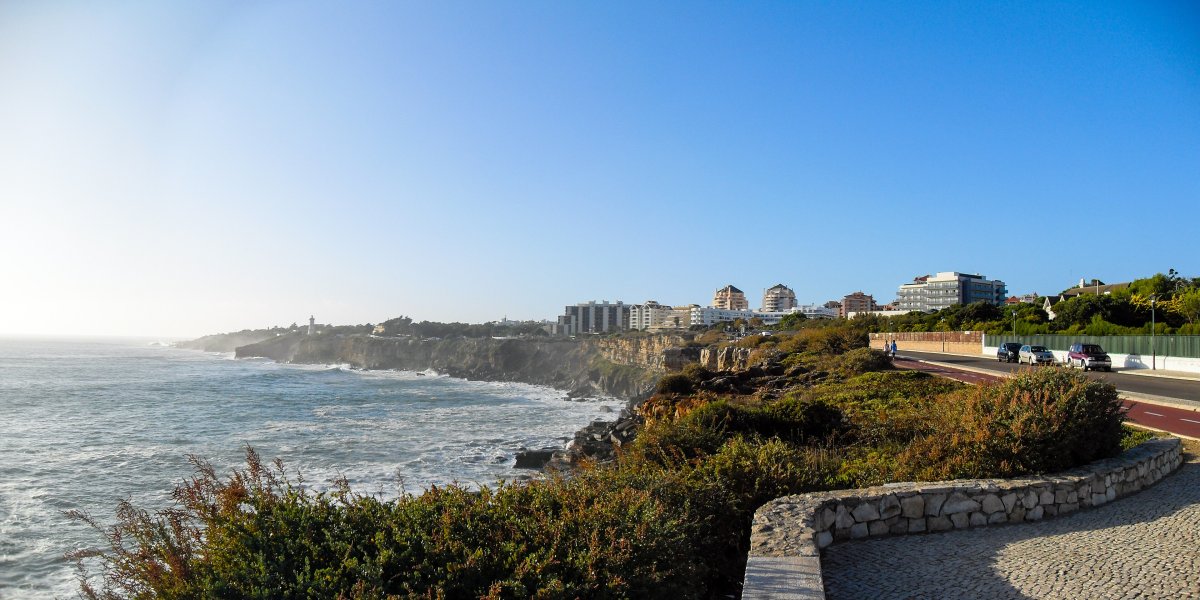
FAQ
Frequently asked questions
How many days do you need in Ponta Delgada?
Most travelers enjoy Ponta Delgada in 1 days, with enough time for headline sights and a slower meal or museum stop.
What's the best time to visit Ponta Delgada?
The easiest season for most travelers is May-Sep, especially if you want good weather and manageable crowds.
What's the daily budget for Ponta Delgada?
A practical starting point is about €75 per person per day before hotels, then adjust based on museums, dining, and transport.
What are the must-see attractions in Ponta Delgada?
A good first shortlist for Ponta Delgada includes Plantação de Ananases A Arruda, Portas da Cidade & Igreja Matriz de São Sebastião, Forte de São Brás & Avenida Marginal.