City Guide
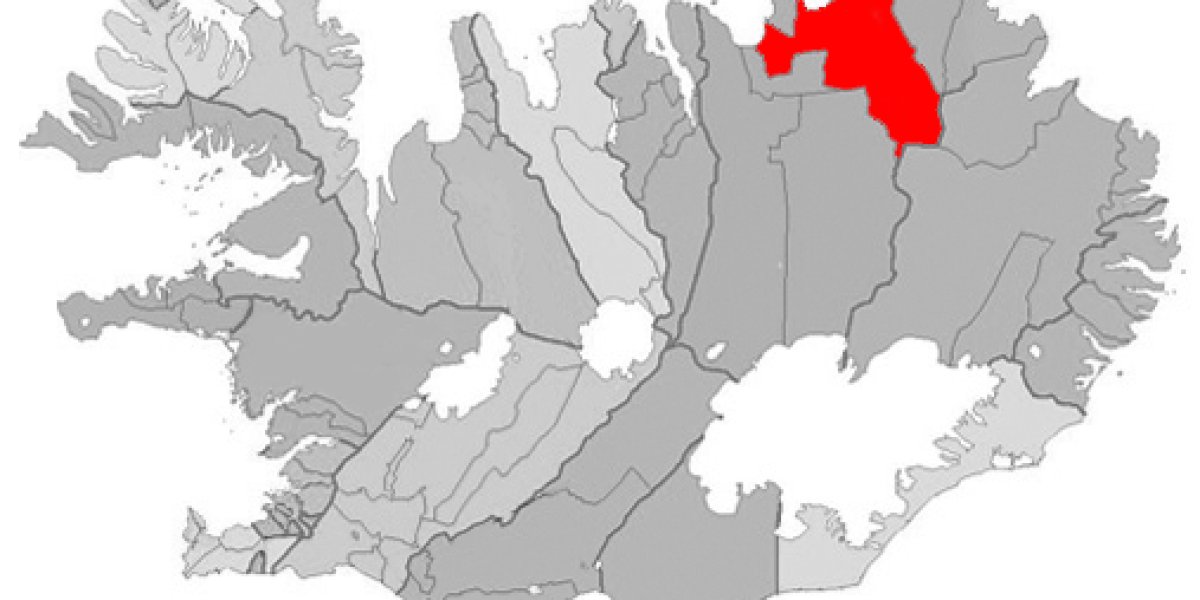
Husavik
Island · Best time to visit: Jun-Aug.
Day-by-day plan
Choose your pace
Reisedauer
09:00
Religious
Begin in the heart of town at Iceland's most photographed parish — a slender white-and-red wooden church from 1907, lifted to global fame after Will Ferrell's 'Eurovision' film used it as the backdrop of the song 'Husavik.' Morning light strikes the eastern facade sharp, with snowy Víknafjöll mountains hovering across the bay. Five minutes outside is the photo; the modest Norwegian-built vault inside takes another five if curiosity wins.
Tip: Shoot from the south corner of the lawn on Garðarsbraut looking up — you frame the spire, the harbor's red roofs, and the snow-line across the bay in one shot. Skip the church car park angle, where buses block the base of the steeple.
Open in Google Maps →09:45
Park
Exit the church onto Vallholtsvegur and head north past the public pool — within 10 minutes the pavement becomes a basalt clifftop path. This is Husavik's secret weapon: a 6-km out-and-back trail along sea-cliffs with Iceland's best free puffin viewing (mid-May to mid-August) and direct sightlines onto Skjálfandi Bay, the highest-density whale water in Europe. You will spot the same humpbacks the boats are chasing — minus the €100 ticket and the diesel.
Tip: Bring binoculars and lean over the rope barrier 1 km north of the small lighthouse — puffins nest on the basalt ledges 20–30 m below and you stand directly above the colony. Whale blows are most visible 09:30–11:30 when the bay is glassiest; scan halfway across toward the white peaks.
Open in Google Maps →13:00
Food
Walk back south along Hafnarstétt, the harbor lane lined with the bright red whale-watching schooners — 25 minutes downhill with bay views the whole way. Salka is a creaking wooden cabin 20 m from the dock where Husavik fishermen actually take lunch, not the tour-bus version. Order the plokkfiskur (creamy cod-and-potato mash with rye butter, €19) or fish-and-chips with skyr tartar (€22) — the cheapest hot fish in town.
Tip: Arrive 13:00 sharp or wait until 13:45 — the two morning whale boats dump 200 hungry tourists in here between 13:15 and 13:30, and the kitchen goes under. The window seats facing the dock are the prize; pass on the upstairs.
Open in Google Maps →14:15
Landmark
Step out of Salka and walk 80 m along the harbor edge to the Whale Museum's seaward wall — a 22-m humpback skeleton hangs in the glass atrium, fully visible from the street, alongside the bones of a North Atlantic right whale not seen in these waters in a century. Continue onto the wooden dock for the iconic schooners 'Knörrinn,' 'Garðar' and 'Náttfari' — handbuilt oak vessels rescued from the 1960s and converted to silent electric whale-watching. The painted boats against the colored timber houses are Husavik's defining frame.
Tip: Walk to the very end of the east pier (the one with the red navigation marker) at 14:30–15:00 when the morning fleet returns. From that point, the red boats sit in the foreground, the church spire rises on the hill behind, and the snow ridge crosses the back of the frame — the postcard composition. Earlier and the boats are out; later and the wind chops the reflection.
Open in Google Maps →16:30
Entertainment
Leave the harbor and walk north on Mararbraut — the road climbs gently along the coast for 25 minutes to a small white lighthouse with an infinity-edge pool cut into the cliff. The seawater here is heated by a geothermal borehole; the only thing between you and the Arctic is a wooden railing. Whales surface 200 m below in midsummer — you watch them from the warm water with a glass of Einstök beer in hand, the midnight-sun light turning the bay gold from 21:00 onward.
Tip: Book online (€45 vs €52 at the door) and bring your own towel plus flip-flops — rental adds €8 each. The smaller upper pool empties around 17:30 when tour buses leave for dinner; slip in then and you'll have the cliff edge nearly to yourself for the golden hour.
Open in Google Maps →19:30
Food
From Geosea, retrace the coast road south — 15 minutes, mostly downhill, the bay glowing amber to your right and the harbor lighting up below. Gamli Baukur is a two-storey log house built from driftwood and beams of decommissioned fishing boats, perched directly on the pier; you eat with the masts of the whale fleet through the window. The langoustine soup (€19) is the regional classic, but the daily catch (€38, usually arctic char or cod from that morning's hauls) is what the fishermen themselves order; the Icelandic lamb fillet (€42) is the off-menu pick of locals.
Tip: Reserve at least 24 hours ahead in summer — this 80-seat restaurant turns walk-ins away by 19:30 every night. Tourist trap to avoid: ignore the puffin-breast starter on the menu (€18) — the puffins you watched alive on the cliffs this morning are the same species, served cured and chewy, and most travelers regret the order before the second bite. Also skip the 'Viking sampler' platter at any restaurant on Garðarsbraut — it's frozen and priced 40% above what the fish costs fresh.
Open in Google Maps →
Trip builder
Plan this trip around Husavik
Turn this guide into a bookable rail itinerary with FlipEarth.
Keep exploring
Related cities
More in the same country
FAQ
Frequently asked questions
How many days do you need in Husavik?
Most travelers enjoy Husavik in 1 days, with enough time for headline sights and a slower meal or museum stop.
What's the best time to visit Husavik?
The easiest season for most travelers is Jun-Aug, especially if you want good weather and manageable crowds.
What's the daily budget for Husavik?
A practical starting point is about €130 per person per day before hotels, then adjust based on museums, dining, and transport.
What are the must-see attractions in Husavik?
A good first shortlist for Husavik includes Húsavík Harbor & Whale Museum Exterior.